
Quick answer
Teotihuacan sits approximately 50 kilometers (31 miles) northeast of Mexico City's Zócalo. Travel time ranges from one to two hours depending on your departure point within the capital and your chosen transport method. Traffic on Highway 132D and local roads near San Juan Teotihuacán can add 15 to 30 minutes during weekday morning commutes and weekend tour-bus arrivals between 10:00 and 12:00.
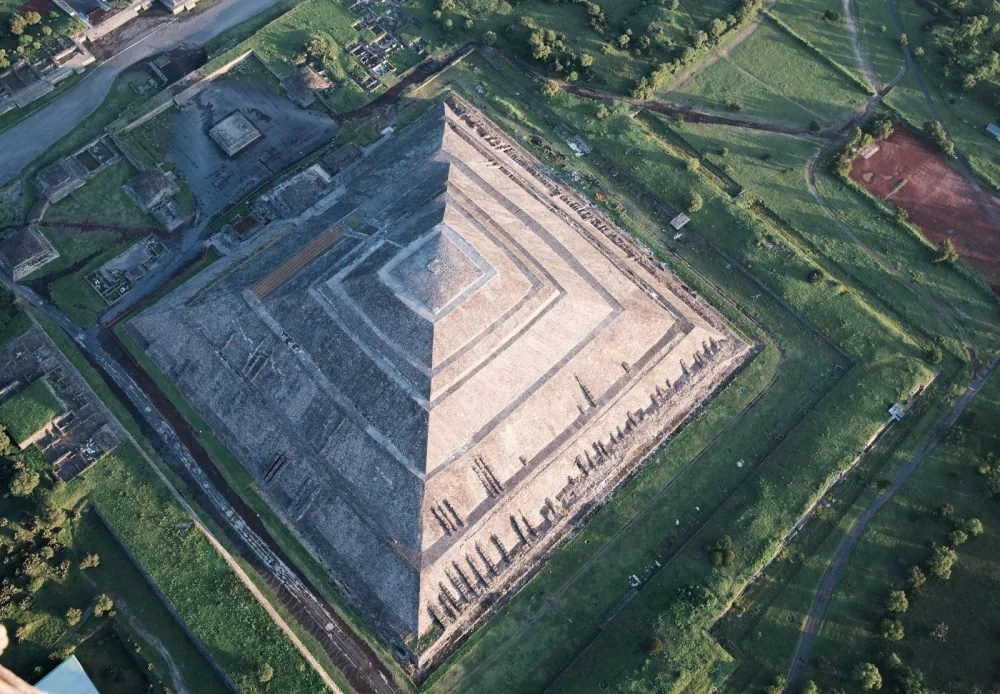
The 50-kilometer span separating Mexico City from the Teotihuacan archaeological zone represents less than an hour of highway driving under ideal conditions, yet the journey's duration fluctuates with departure location, transport choice, and time of day. Travelers leaving from Polanco or Condesa face longer city exits than those departing from northern districts like Indios Verdes, where direct bus services reduce total travel time. Highway 132D, the primary route to San Juan Teotihuacán, handles steady flows of private vehicles, tour coaches, and regional buses throughout the day. Morning departures between 07:00 and 08:30 encounter outbound commuter traffic near the city's northern periphery, while midday and early afternoon windows offer smoother passage until return flows begin after 16:00. The final approach to the site entrance involves a two-kilometer stretch of local road where tour buses queue during peak visitation windows. The distance from Mexico City to Teotihuacan makes the archaeological zone feasible for a half-day excursion or a full morning of exploration followed by an afternoon return. Visitors allocating four to five hours at the site can climb both major pyramids, walk the length of the Avenue of the Dead, and explore the Palace of Quetzalpapalotl before the 17:00 closure. The 95 MXN entrance fee grants access to all structures within the zone, including the Pyramid of the Moon and the Temple of the Feathered Serpent at the southern Ciudadela complex. Arriving before 10:00 positions you ahead of organized tour groups departing the capital between 08:00 and 09:00, which typically reach the site entrance an hour to 90 minutes later. Early access coincides with cooler temperatures for the 248-step ascent of the Pyramid of the Sun and reduced crowding along the central causeway, where morning light renders the volcanic stone facades in sharper relief against the Estado de México plateau.
“The 50-kilometer highway corridor between the capital and the pyramids handles steady flows throughout the day, with morning and late-afternoon windows offering the smoothest passage.”
How Far Is Teotihuacan From Mexico City and How to Get There
Teotihuacan is located approximately 50 kilometers (31 miles) northeast of Mexico City. Travel times typically range from 60 to 90 minutes depending on the mode of transport and traffic conditions.
Autobuses del Norte station to Teotihuacan terminal
Mexico-Pirámides Highway (MEX-132D)
Direct transit via MEX-132D
Best Time to Leave Mexico City for Teotihuacan
Leave Mexico City by 7:00-7:30 to reach Teotihuacan for the 09:00-11:00 arrival window, when temperatures are cooler and tour buses have not yet arrived. Weekday departures in this slot also avoid the heaviest traffic on the Mexico-Teotihuacan highway.
Weekday mornings
Lighter crowds, fewer tour groups—
Traffic out of Mexico City is thinner before 8:00, and the site stays calmer until midday buses arrive.
Weekend mornings
Heavier crowds by mid-morning—
Saturdays and Sundays draw more domestic visitors and family groups, so an early departure matters even more.
Dry season, November-April
Moderate, steady visitor numbersCool, dry, daytime highs around 20-24C
Clear skies and low rain chances make early starts comfortable, though December and Easter week bring spikes in visitors.
Rainy season, May-October
Fewer midday crowds, afternoon dipsWarmer, humid, afternoon showers common, 24-27C
Mornings tend to stay dry even in this season, reinforcing the case for arriving before 11:00.
Spring equinox, March 21
Very heavy, thousands gather at the siteWarm, dry, clear skies typical
Crowds build well before dawn for this annual event, so normal arrival-window planning does not apply.
Verdict: Depart Mexico City on a weekday between 7:00 and 7:30, ideally in the dry season months of November to April, to reach the site right at the 09:00-11:00 window.
Teotihuacan Opening Hours for Day-Trip Planning
Teotihuacan is open to the public seven days a week, providing consistent access for visitors planning a day trip from Mexico City.
| Monday | 09:00–17:00 | |
|---|---|---|
| Tuesday | 09:00–17:00 | |
| Wednesday | 09:00–17:00 | |
| Thursday | 09:00–17:00 | |
| Friday | 09:00–17:00 | |
| Saturday | 09:00–17:00 | |
| Sunday | 09:00–17:00 |
Sample Day-Trip Schedule From Mexico City to Teotihuacan
This timeline works for independent travelers and tour groups alike, fitting the round trip and a three-hour site visit into a single day.
Depart Mexico City
Leave early to reach the site during the 09:00–11:00 arrival window when temperatures are cooler and crowds thinner.
Arrive and Enter
The drive takes roughly one hour; entrance costs 95 MXN per person, payable at the ticket booth.
Pyramid of the Sun
Climb the 248 steps for a view of the entire complex, then explore the plaza and surrounding platforms—budget 75 minutes.
Avenue of the Dead
Walk north past smaller temple platforms toward the Pyramid of the Moon, pausing at the murals near the Palace of Quetzalpápalotl.
Pyramid of the Moon
Ascend partway for a different perspective on the Avenue, then visit the adjacent plaza—allow 45 minutes.
Museum and Departure
Stop briefly at the on-site museum for context on artifacts and murals, then begin the return journey.
Back in Mexico City
Factor in midday traffic; you'll arrive in time for a late lunch in the city.
Accessibility Notes for the Trip From Mexico City to Teotihuacan
The main causeway connecting the site is a flat, wide pathway suitable for wheelchairs and visitors with limited mobility, but climbing the Pyramid of the Sun or Pyramid of the Moon requires ascending steep, uneven stone stairs with no ramps, lifts, or handrails on most sections. Visitors with mobility limitations should plan to enjoy the plazas and causeway at ground level rather than attempt the pyramid summits.
The Calzada de los Muertos causeway is flat and passable, but pyramid platforms are not reachable by wheelchair.
Ground-level paths between structures are step-free, though surfaces are uneven stone and packed earth in places.
There are no lifts or mechanical assists to the pyramid summits, only the 248-step stone stairway.
Arriving in the 09:00–11:00 window before tour buses reduces congestion on stairways and narrow platform edges, easing passage for slower-moving visitors.
Pre-Trip Checklist for the Teotihuacan Distance From Mexico City
Arrange these items before you leave Mexico City to avoid delays at the site.
-
Book transport in advance — Bus tickets sell out on weekends and holiday periods.
-
Bring 95 MXN cash per person — The entrance fee is payable at the ticket booth on arrival.
-
Pack 2 liters of water per person — Limited vendors inside the archaeological zone, especially early morning.
-
Wear closed shoes with ankle support — You'll climb 248 steps on the pyramids, many uneven.
-
Apply sunscreen before departure — No shade on the pyramids; reapply every two hours in direct sun.
-
Carry a hat and sunglasses — Midday temperatures regularly exceed 30°C with zero canopy cover.
Sights Near Teotihuacan Worth Combining With the Trip From Mexico City
A visit to Teotihuacan pairs naturally with a couple of sites that sit on the grounds themselves or directly along the route back to Mexico City, adding historical context without requiring a separate trip.
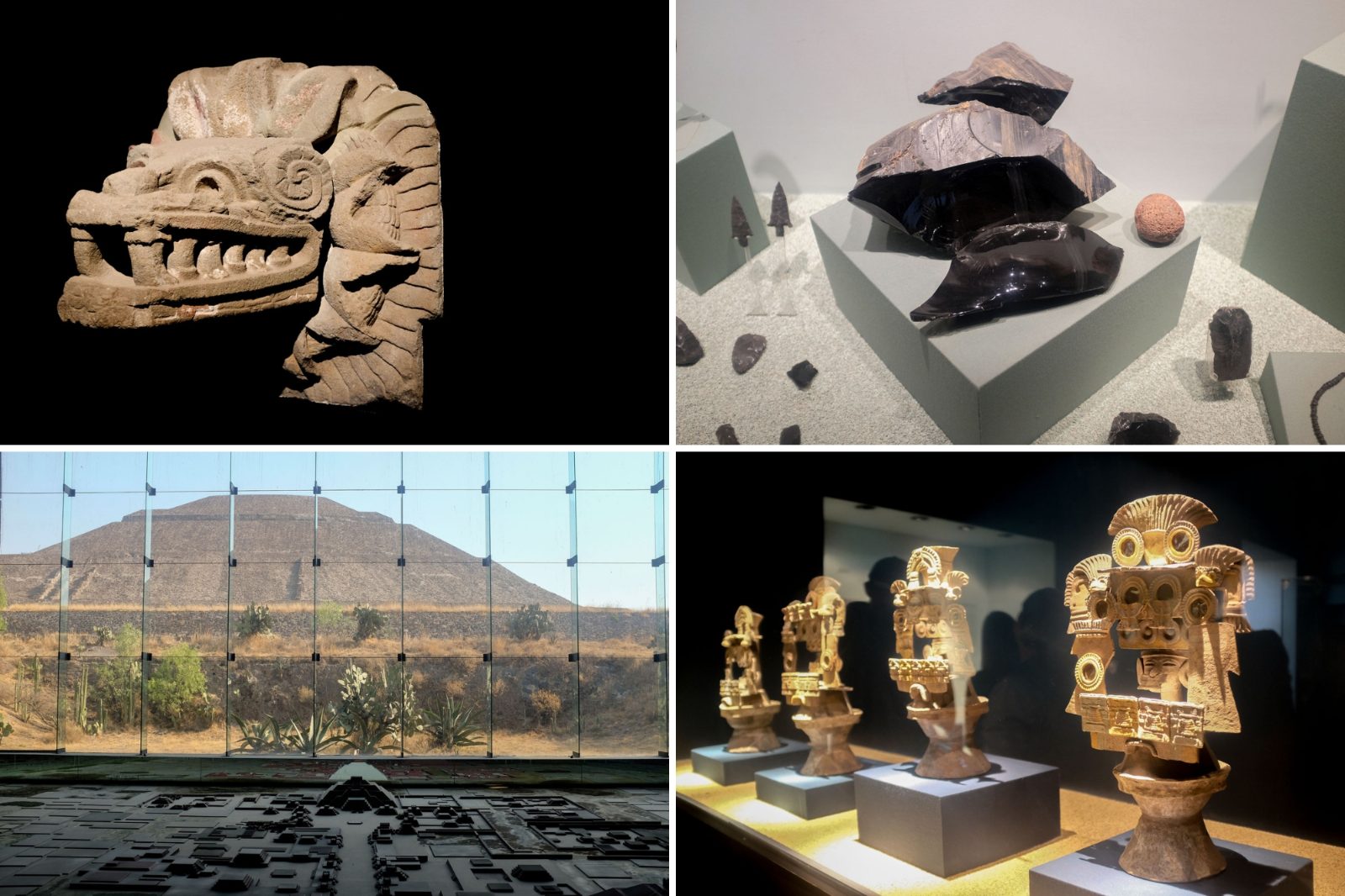
Teotihuacan Site Museum
Houses artifacts recovered from the site, including offerings and a large-scale model of the ceremonial complex, useful for grounding what you have just walked through.
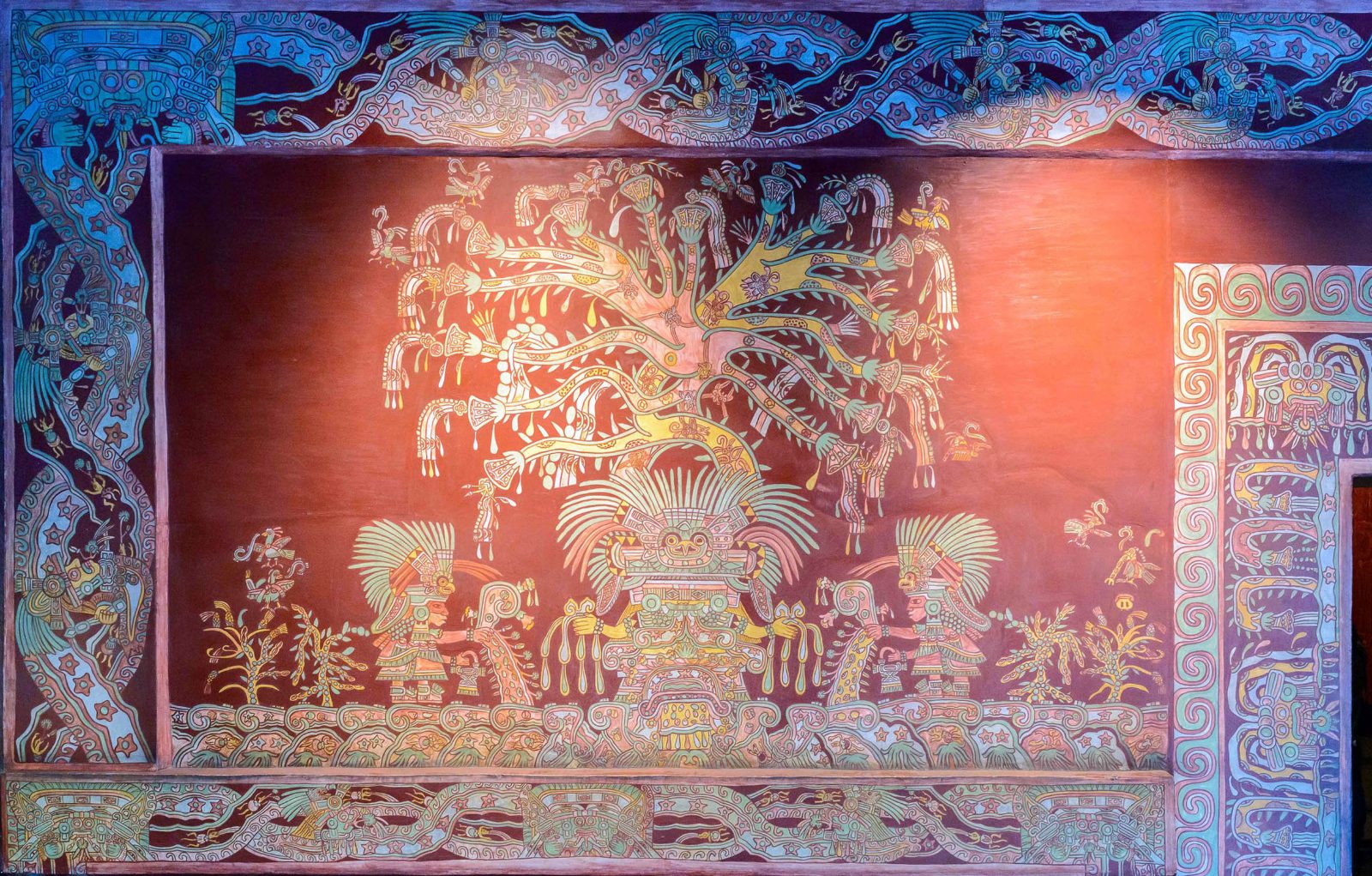
Museum of Teotihuacan Mural Painting
Displays original mural fragments depicting Teotihuacan deities and daily life, a quieter stop that complements the open-air plazas.
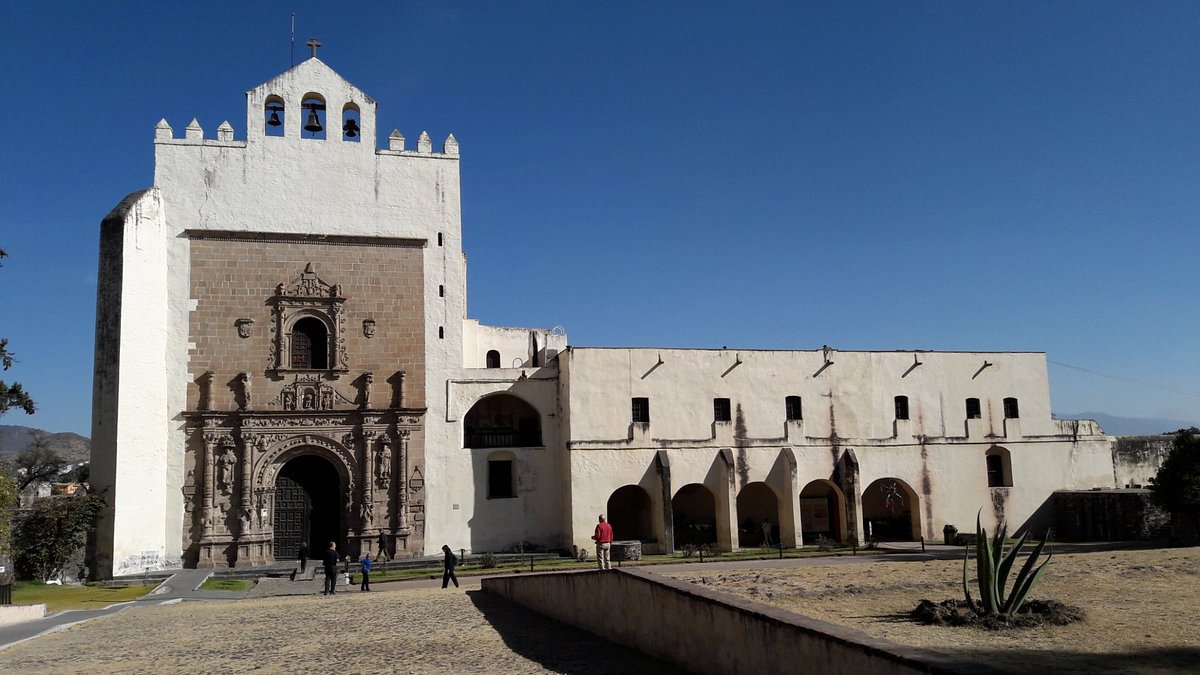
Ex-Convento de San Agustín Acolman
A 16th-century Augustinian convent built on an earlier Aztec site, a natural stop when driving back toward the city since it sits directly on the return route.
Check availability
Frequently asked questions about Teotihuacan travel
Everything you need to know about how far is teotihuacan from mexico city