9 hr
Teotihuacan Pyramids, Guadalupe Basilica & Tlatelolco Day Trip
- Expert local guide
- Small group
- Skip-the-line access
- Free cancellation
Teotihuacan Private Tour From Mexico City — Reserved Archaeological Experiences
Walk the Avenue of the Dead with your own expert, climb at your pace
Compare fares, pick the fit — all bookings are mobile-voucher and eligible for free cancellation where shown.
9 hr
8 hr
11 hr
| Experience | Duration | Rating | Skip-the-line | Guide | Small group | Free cancel. | Price | |
|---|---|---|---|---|---|---|---|---|
|
Guided Experience
Most popular
Teotihuacan Pyramids, Guadalupe Basilica & Tlatelolco Day Trip
|
9 hr | ★ 4.7 | ✓ | ✓ | ✓ | ✓ | €52 | Book → |
|
Guided Experience
Teotihuacan Early Morning Pyramids Tour with Tequila Tasting
|
8 hr | ★ 4.6 | ✓ | ✓ | ✓ | ✓ | $68 | Book → |
|
Guided Experience
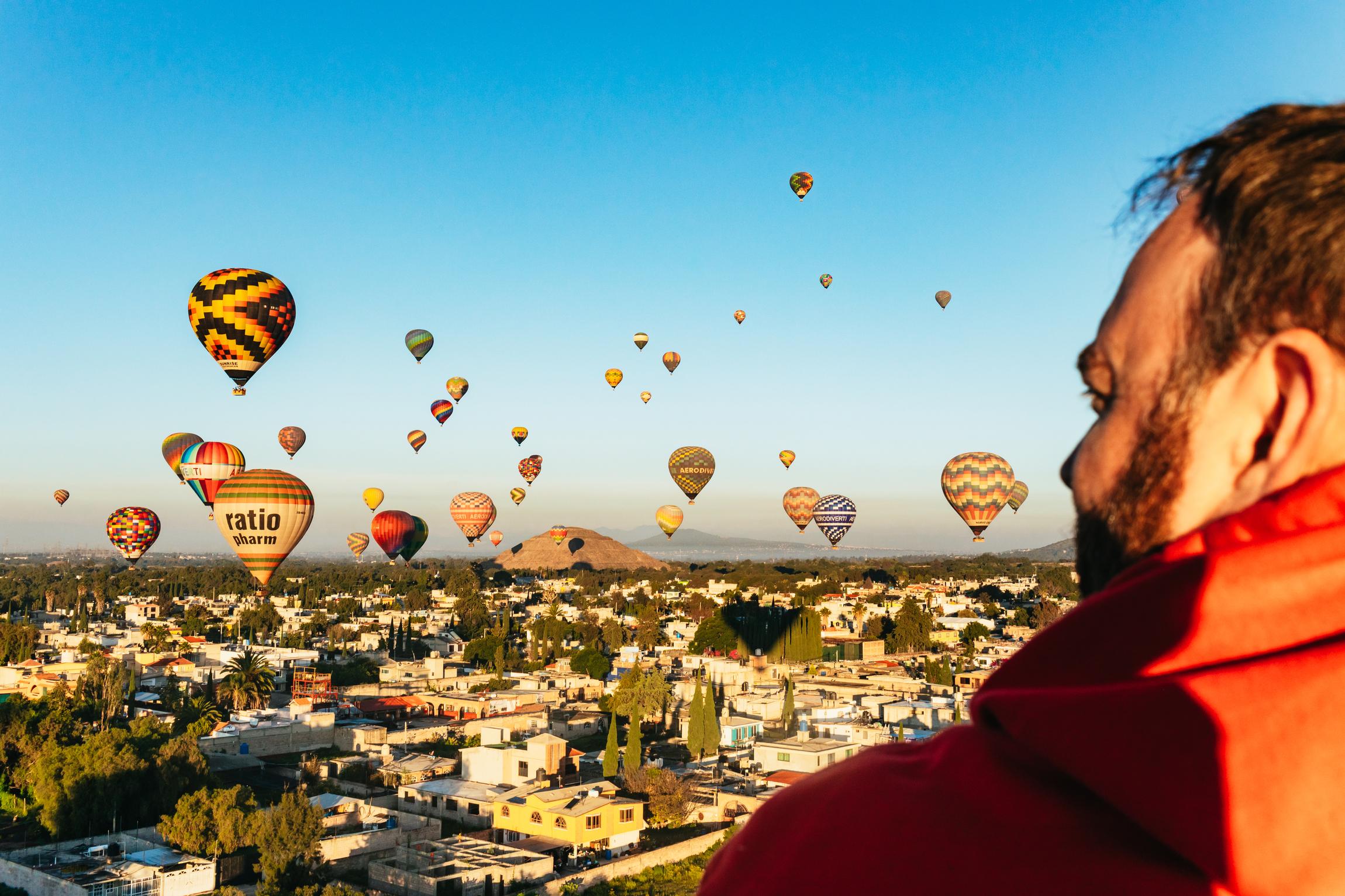
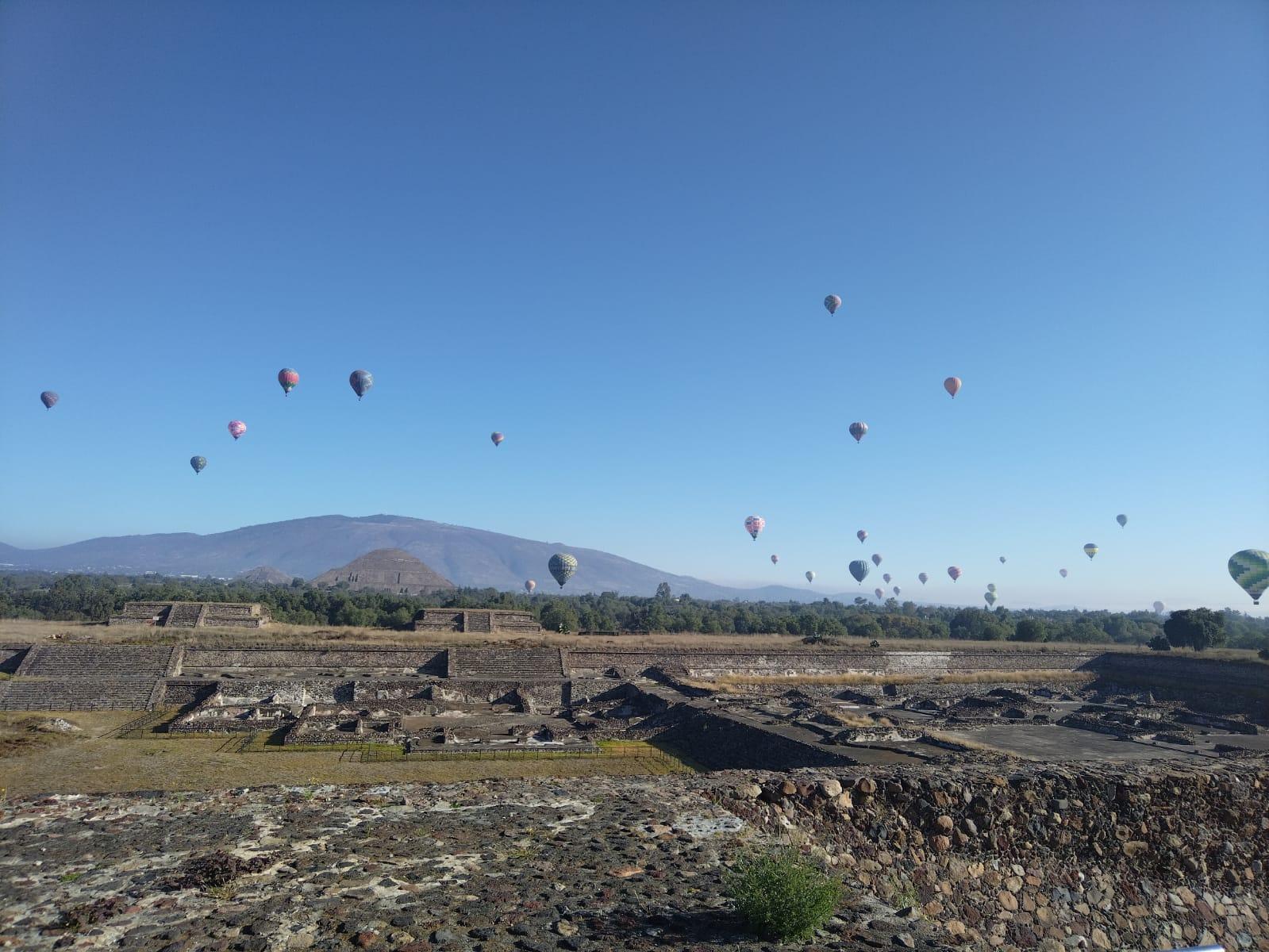
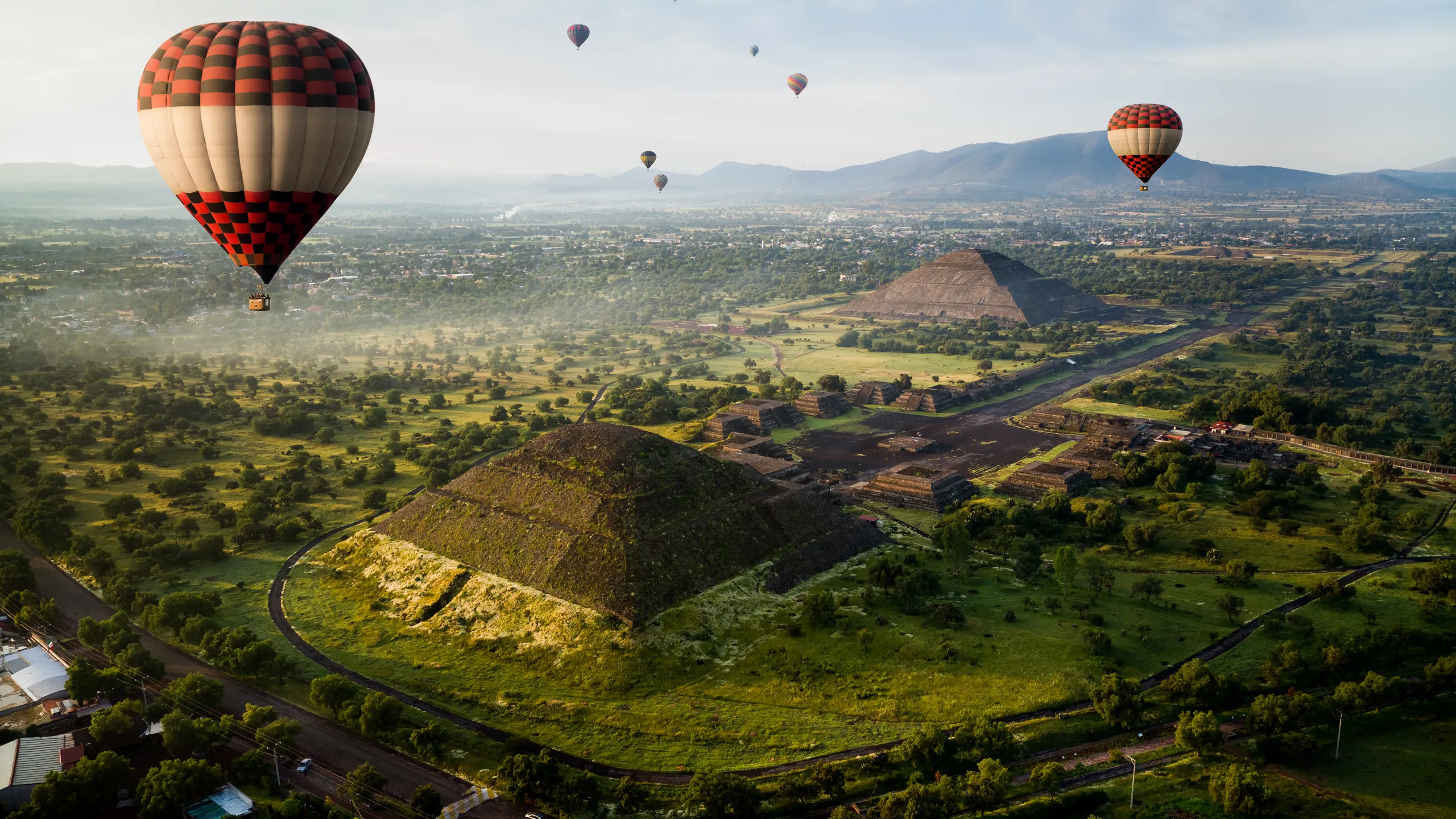
Teotihuacan Hot Air Balloon Flight & Pyramid Tour
|
11 hr | ★ 4.6 | ✓ | ✓ | ✓ | ✓ | $155 | Book → |
Worth it for guided insight seekers
A teotihuacan private tour from mexico city costs significantly more than the 95 MXN INAH entrance fee alone, but the price difference buys direct hotel pickup, expert commentary on the Pyramid of the Sun and Pyramid of the Moon, and skip-the-line coordination. Private options like the Archaeological Tour with Expert Guide deliver flexible departure times and personalized pacing through the Avenue of the Dead, while shared day trips bundle Guadalupe Basilica or tequila tastings for broader cultural context. The hot air balloon option adds aerial perspectives over the ancient city at sunrise. Self-guided visitors save money but forfeit historical narrative and logistical ease—arriving independently from Mexico City requires coordinating buses or rideshares, navigating the 248-step climb without context, and managing midday heat. Private tours from mexico city work best for travelers prioritizing comfort, depth, and efficiency over budget. Group tours split the difference, offering guided access at lower per-person rates but fixed schedules.
Bottom line: The investment pays off if you value expert storytelling and seamless logistics over independent exploration at the 95 MXN entry-only rate.
If you want your own pace and pickup time, a teotihuacan private tour from mexico city beats a shared coach; if budget matters more than flexibility, the small-group option wins. Both reach the Pyramid of the Sun and Avenue of the Dead, but the trade-off comes down to attention and cost.
|
Top pick Private Tour |
Small-Group Teotihuacan Tour | |
|---|---|---|
| Group size | 1–8 (your party only) | Up to 16–20 travelers |
| Pickup flexibility | Custom hotel pickup time | Fixed pickup window, shared route |
| Guide attention | Guide dedicated to your group | Guide split across full busload |
| Pacing and stops | Flexible stops, linger as you like | Fixed schedule, set stop durations |
| Price | Higher per person, private vehicle | Lower per person, shared vehicle |
| Add-ons (balloon, tequila, basilica) | Customizable add-ons on request | Fixed add-ons bundled in itinerary |
| See tickets & prices |
Hand-picked experiences loved by thousands of travelers
5 hours
Free Cancellation
Exclusive exploration of ancient pyramids with personalized archeologist-led guidance and tequila sampling
8 hours
Free Cancellation
Explore the ancient City of the Gods at dawn with an expert guide before the crowds arrive
5 hours
Free Cancellation
Discover the sacred city's monumental structures and rich heritage on this half-day guided expedition
5.5 hours
Free Cancellation
Explore Mexico's ancient pyramids with a certified guide in a personalized half-day journey from Mexico City
7 hours
Free Cancellation
Exclusive private tour combining ancient pyramid exploration, sacred pilgrimage site, and artisan mezcal
9 hours
Free Cancellation
Explore the legendary City of the Gods with an expert guide on this all-inclusive private journey
2.5 hours
Free Cancellation
Unlock the secrets of Mexico's ancient civilizations with an expert guide in intimate groups
2 hours 30 minutes
Free Cancellation
Design your own capital adventure with a knowledgeable local historian in a comfortable private ride
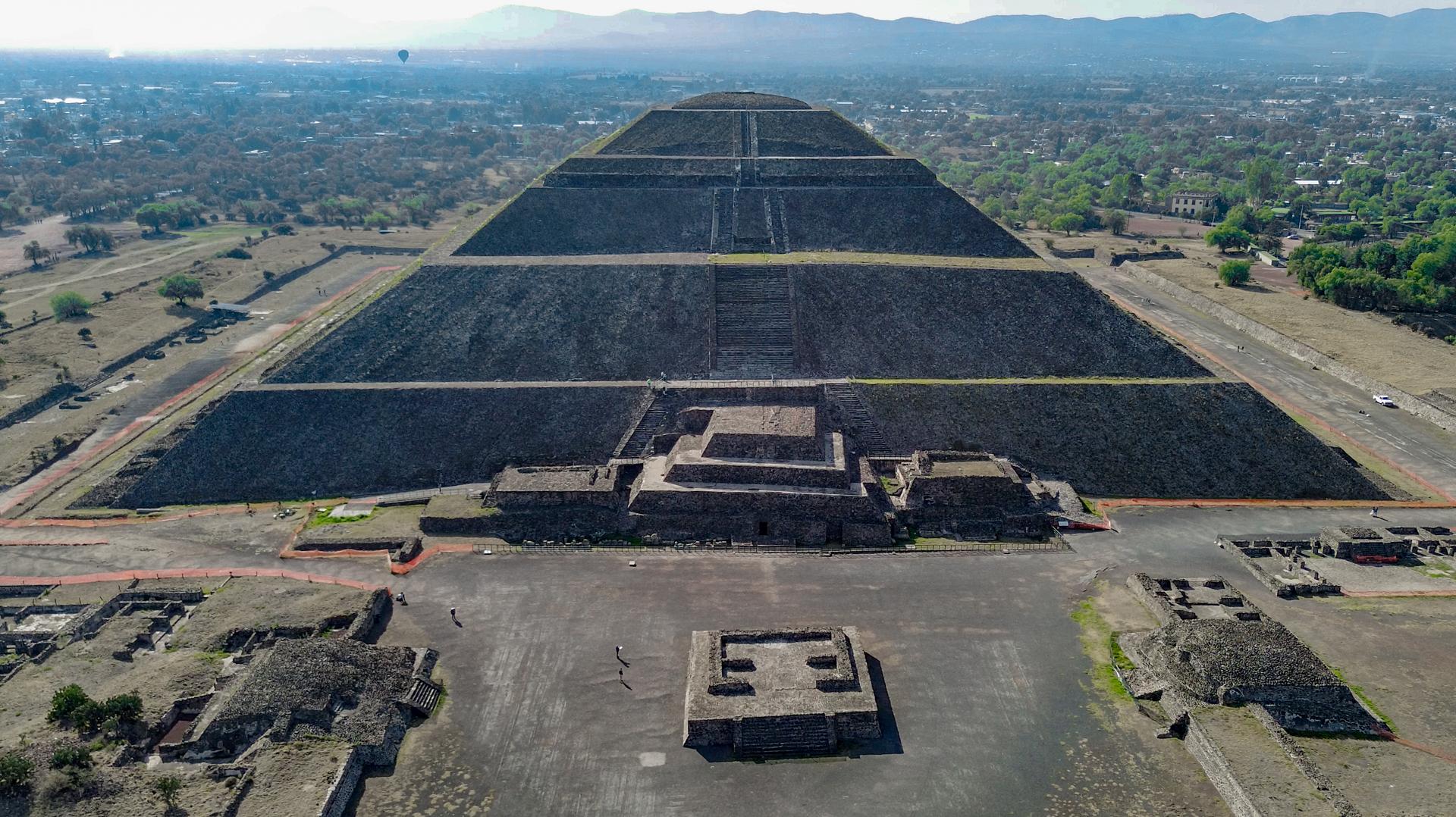
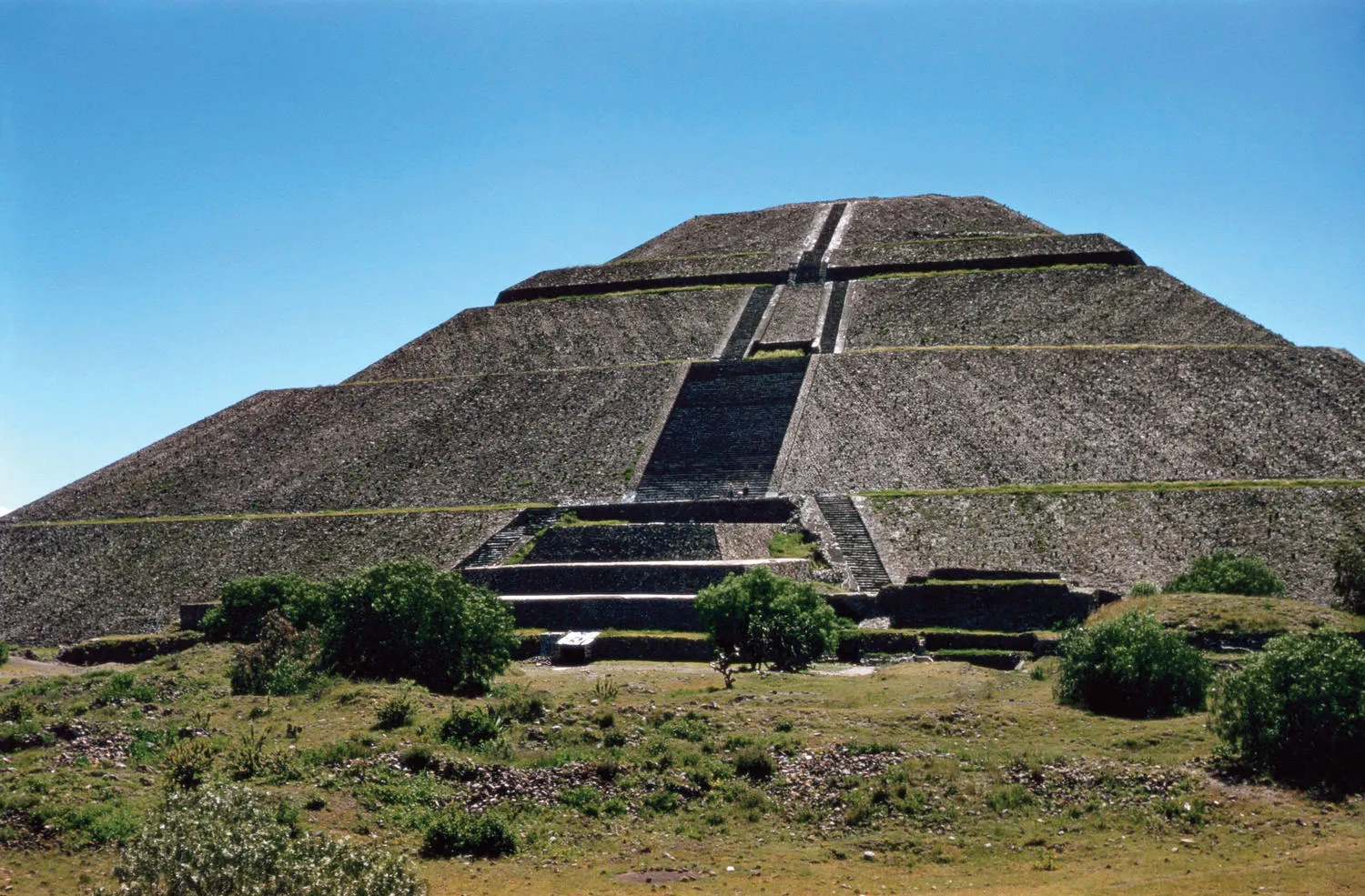
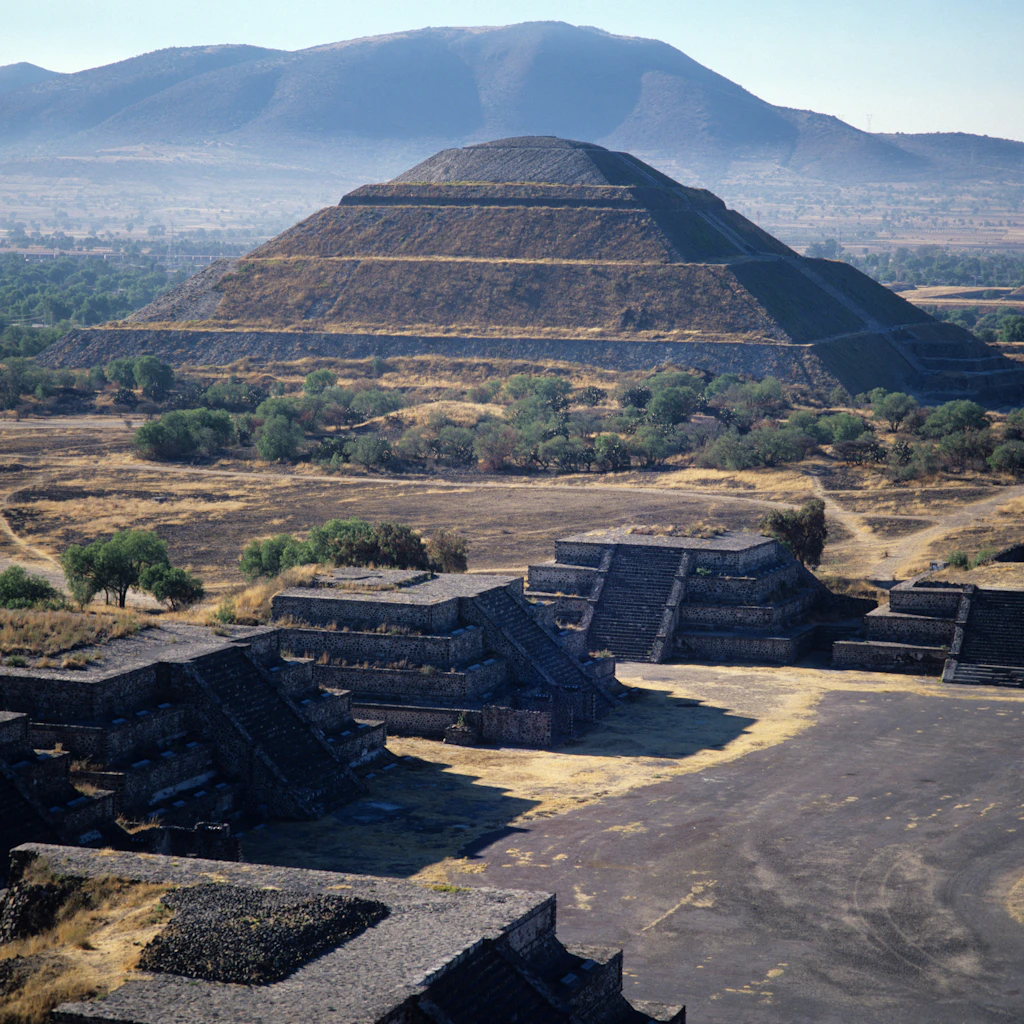
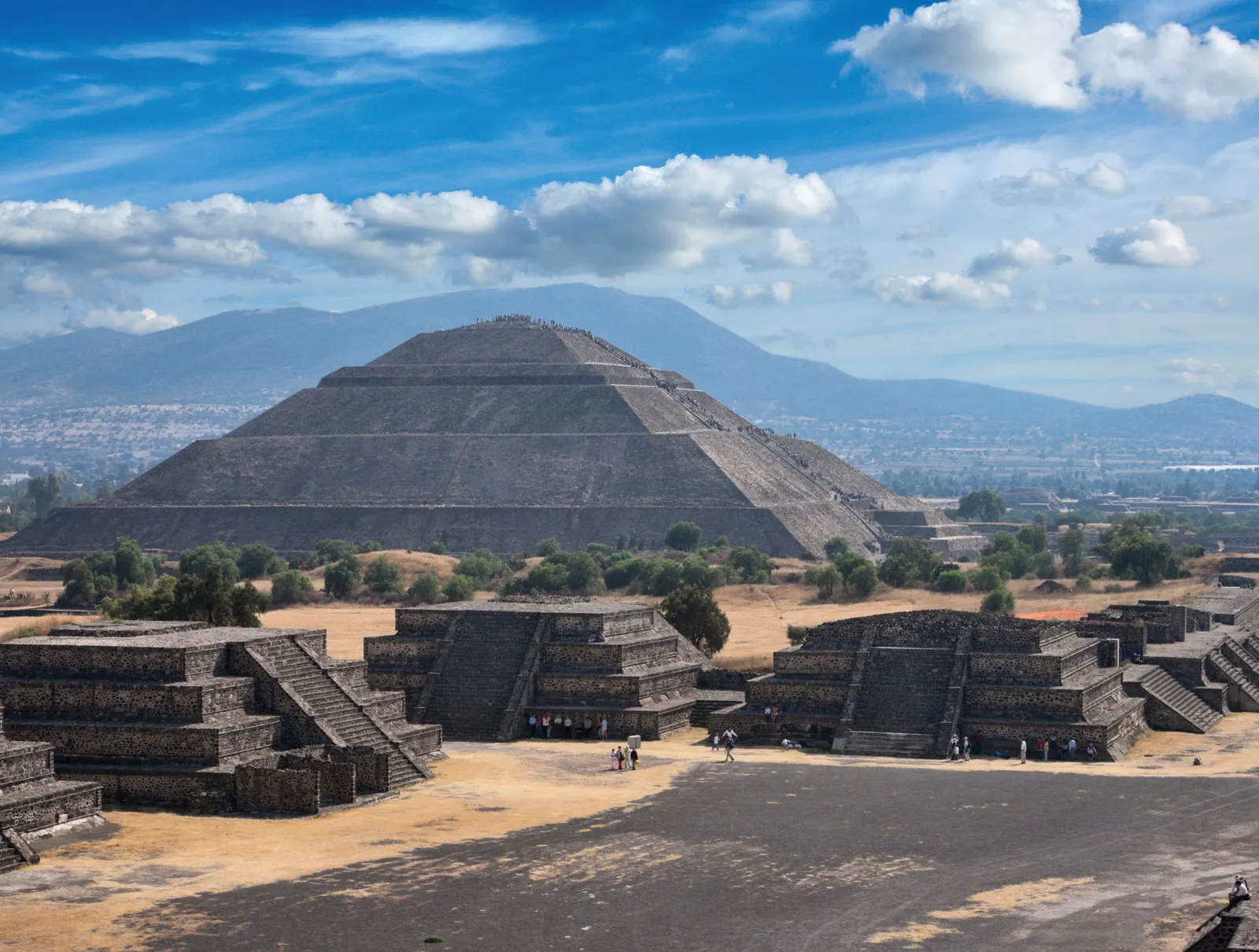
The largest structure at Teotihuacan, this stepped pyramid rises roughly 65 meters and requires climbing 248 steps to reach its summit platform. Archaeologists believe its orientation aligns with the setting sun on specific calendar dates tied to ancient agricultural cycles.
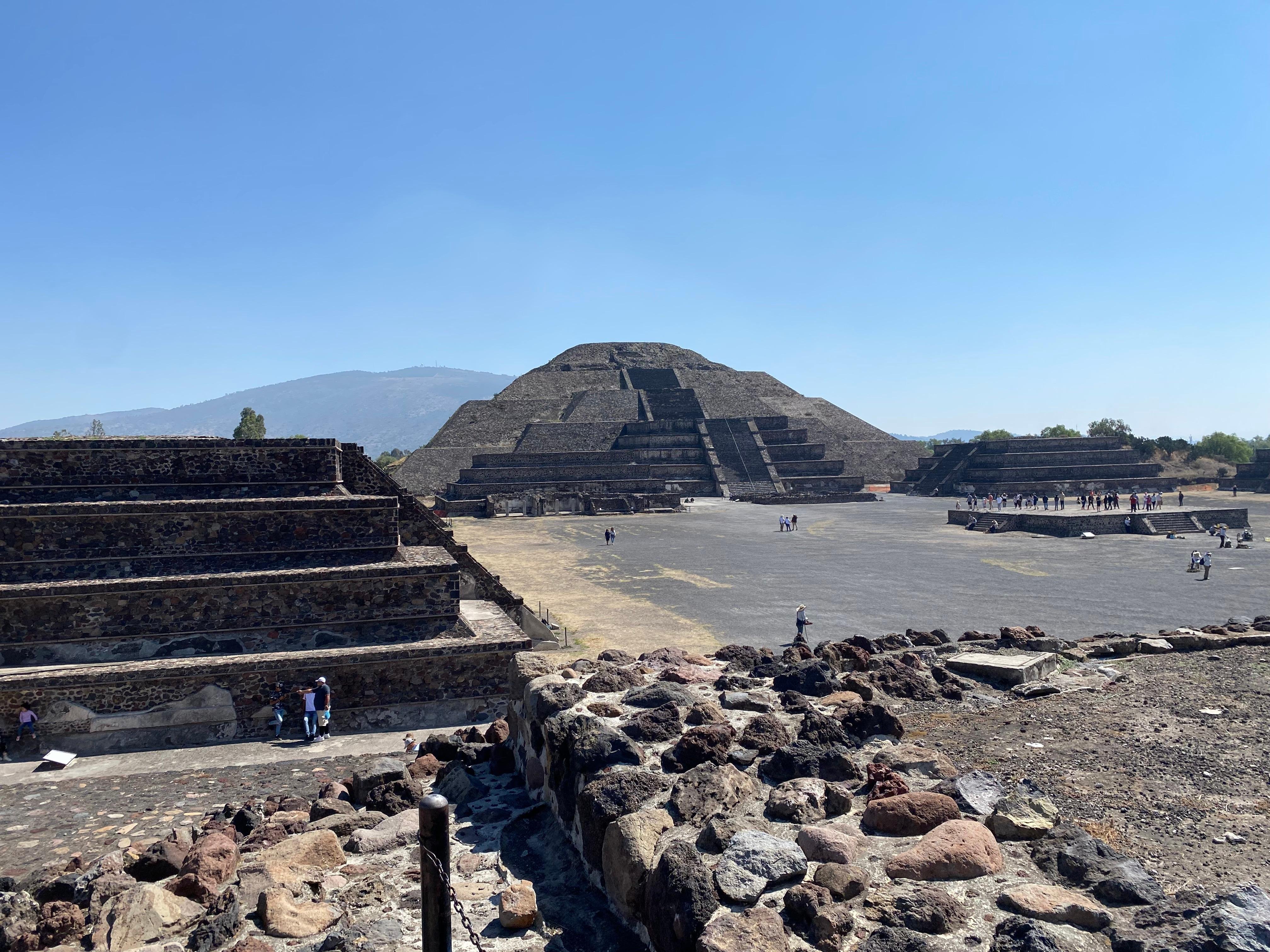
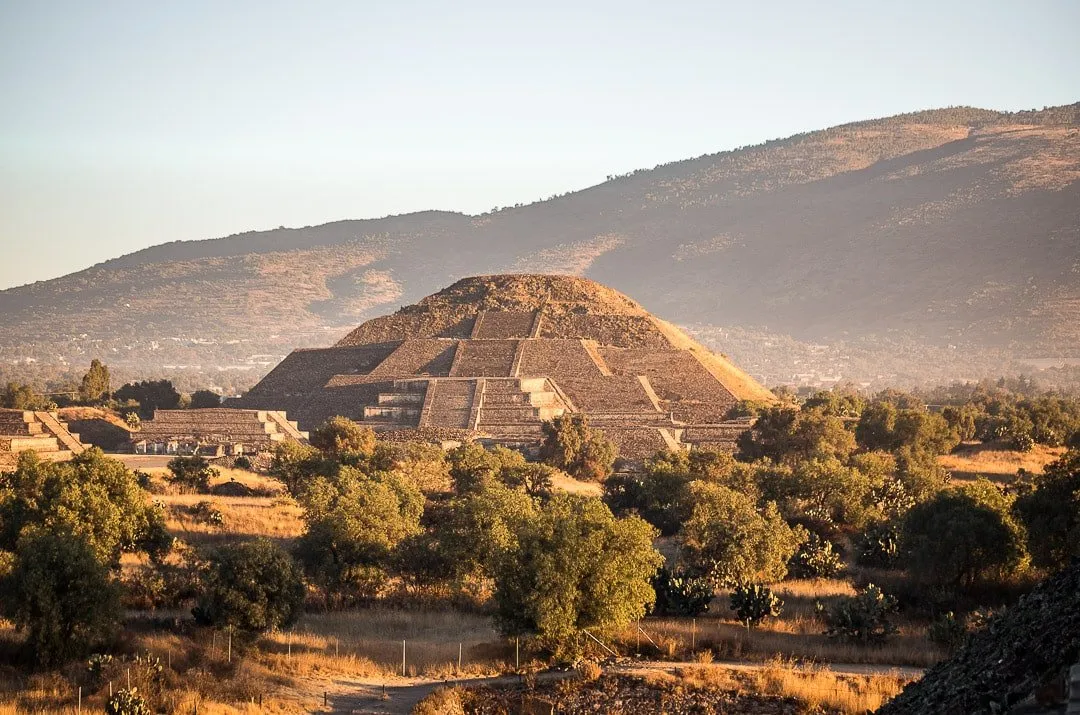
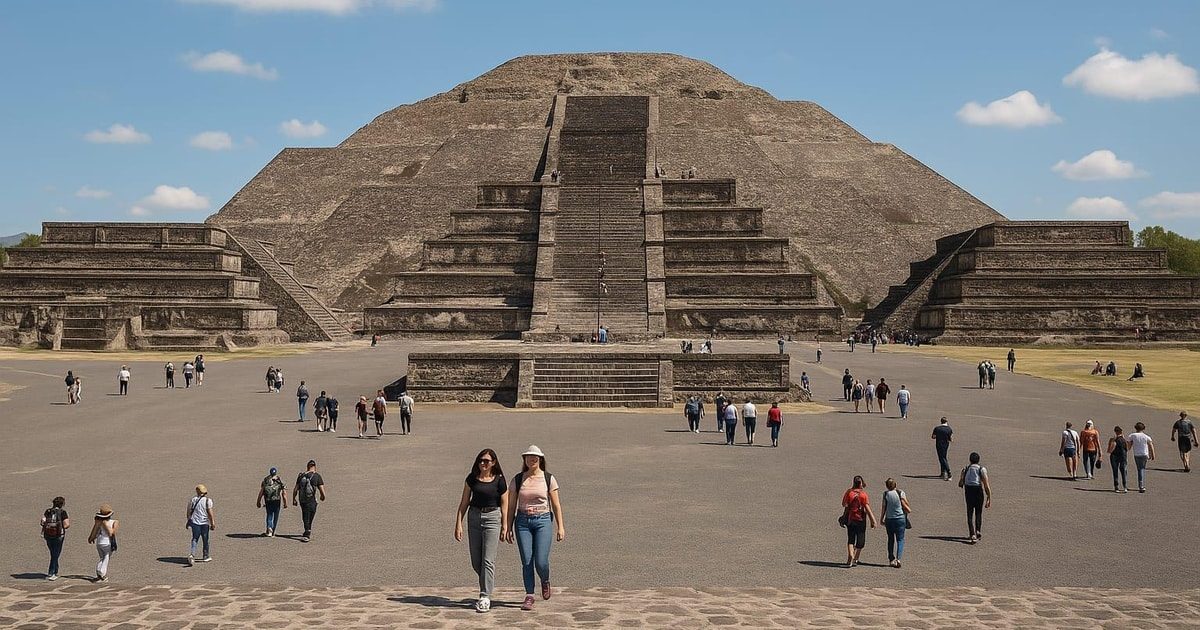
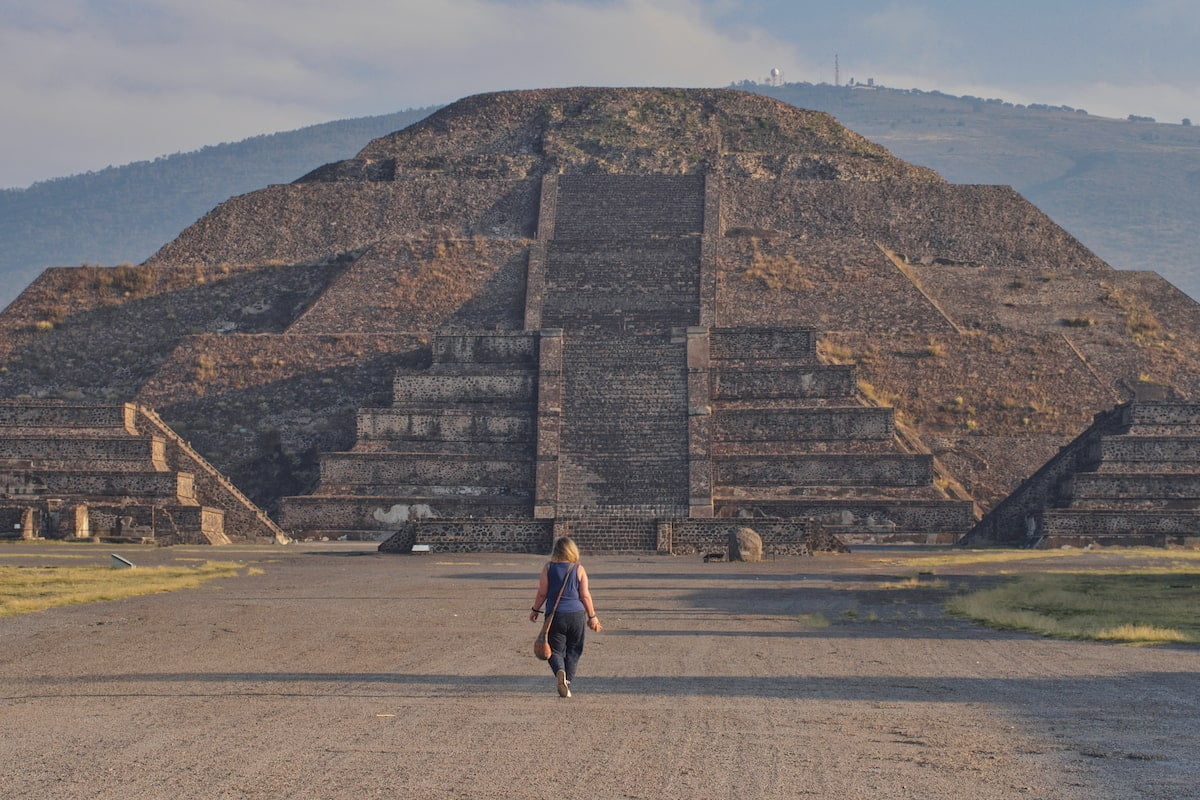
Positioned at the northern end of the Avenue of the Dead, this pyramid sits on higher ground so its summit appears level with the Pyramid of the Sun despite being shorter. Excavations beneath it revealed sacrificial burials linked to construction rituals.
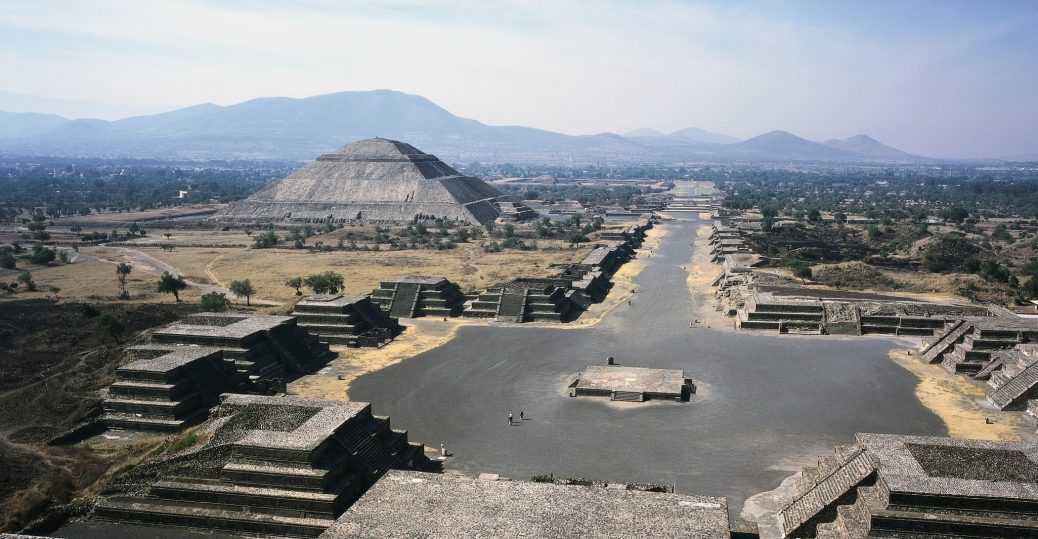
This roughly 2.4-kilometer ceremonial causeway connects the site's major structures and was named by the Aztecs, who believed the platforms lining it were tombs. It served as the main processional route for ancient rituals.
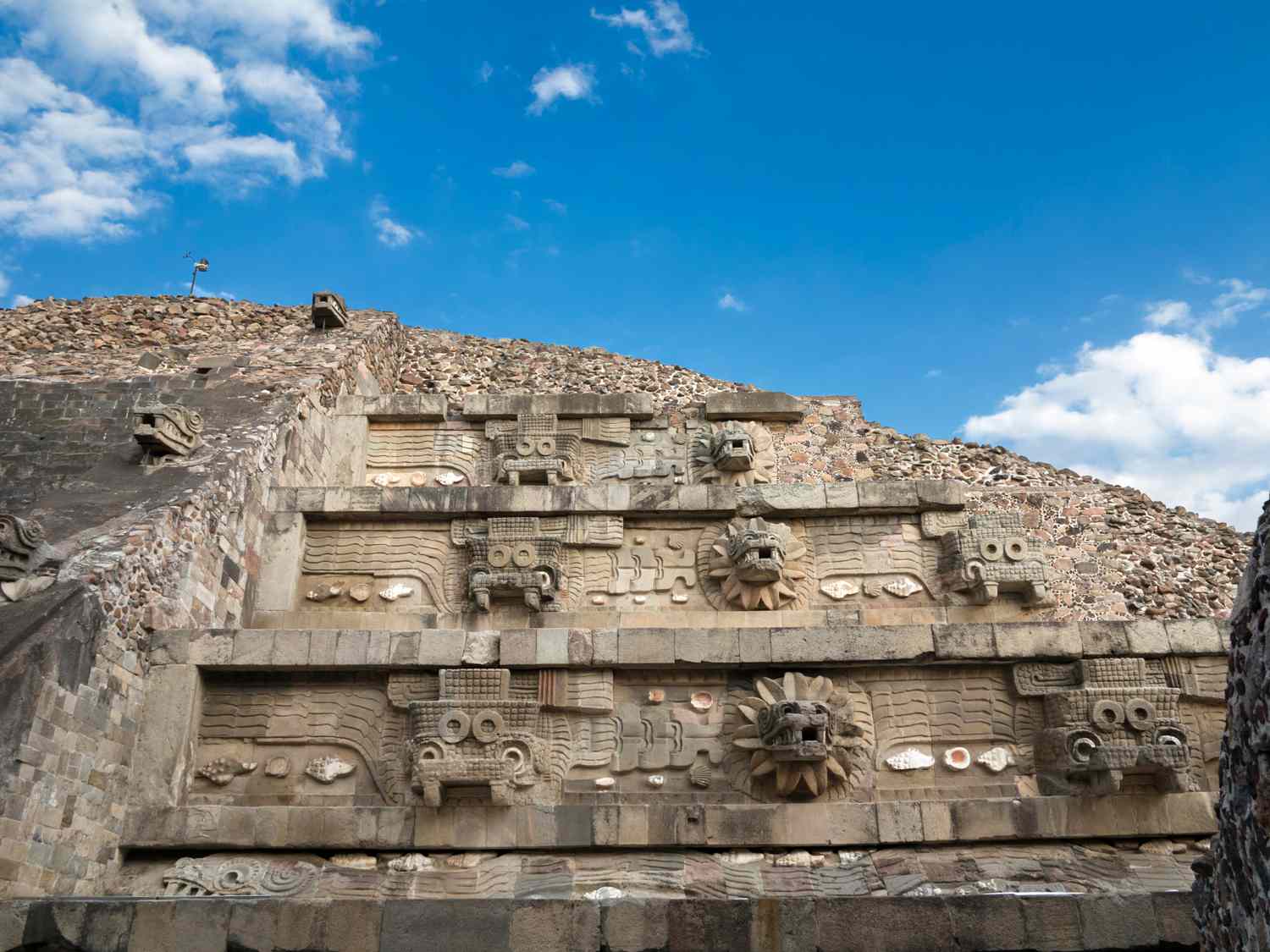
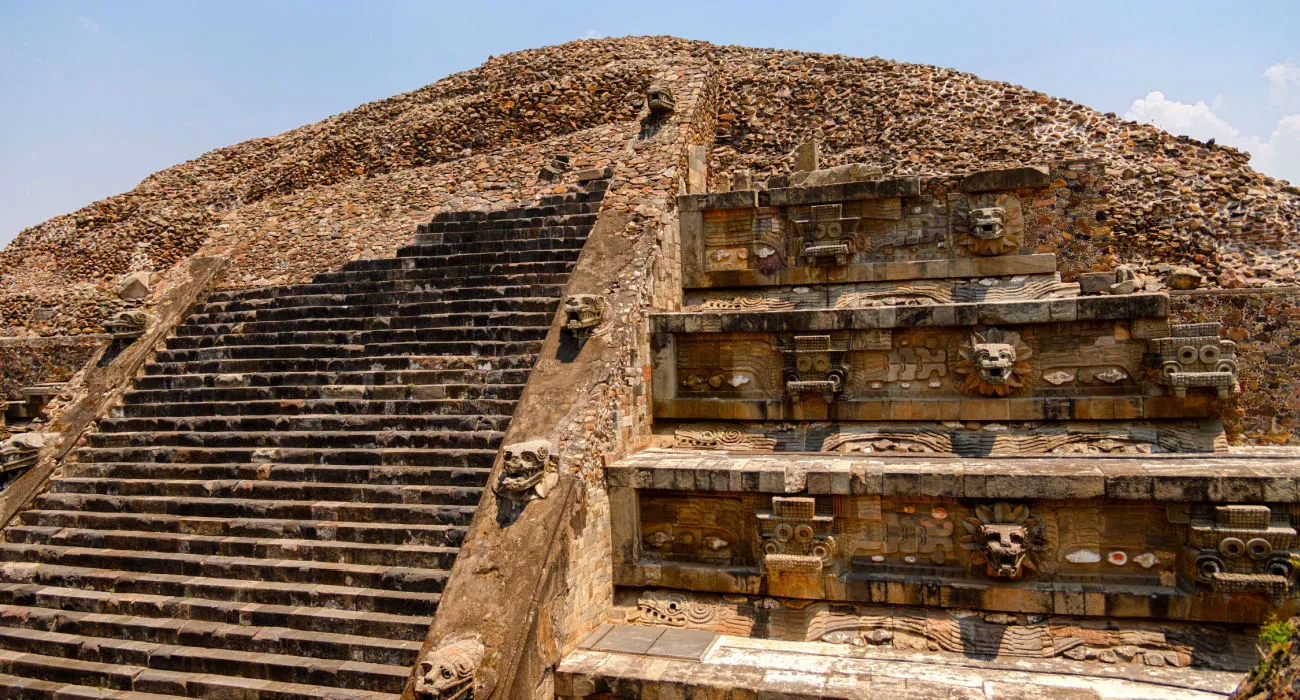
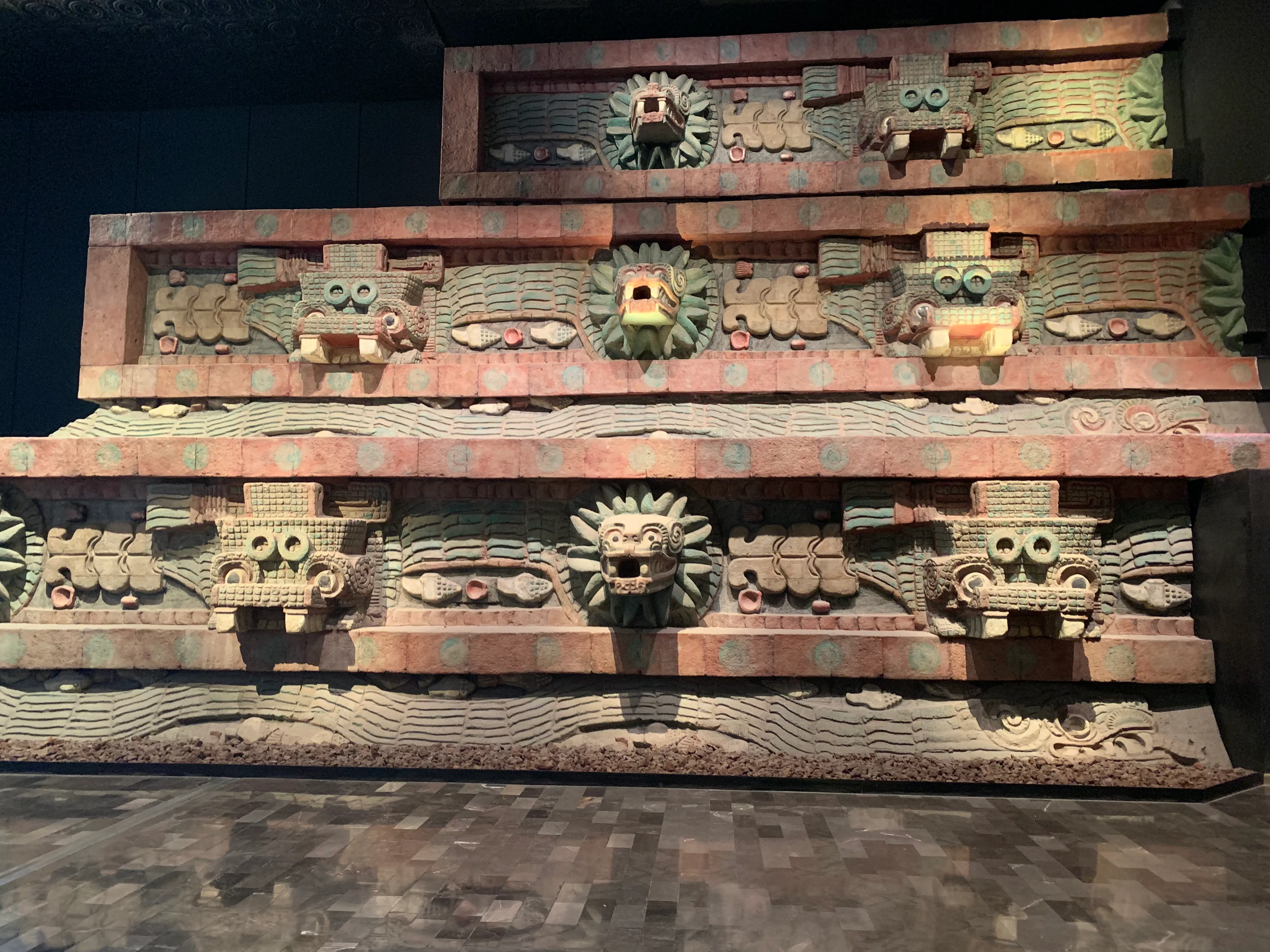
Located within the Ciudadela complex, this temple features carved stone heads of the feathered serpent deity alternating with a goggle-eyed figure believed to represent an early storm god. Traces of original paint pigment remain visible in sheltered carving recesses.
This sunken rectangular plaza could reportedly hold tens of thousands of people during ceremonial gatherings and encloses the Temple of Quetzalcoatl on its eastern side. Its scale suggests a role as a major civic and religious gathering space.
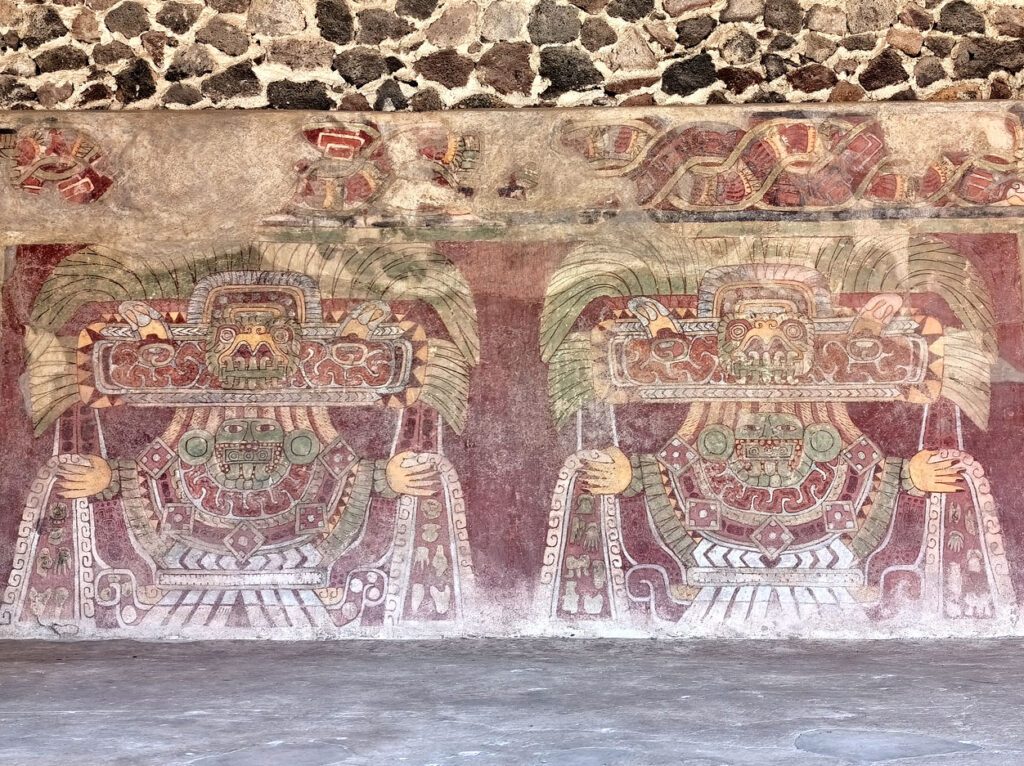
A residential complex north of the Avenue of the Dead known for the well-preserved Tlalocan mural, depicting a lush paradise scene believed to represent the rain deity Tlaloc's realm. The murals offer rare insight into Teotihuacan cosmology and color use.
You leave Mexico City before rush hour builds, merging onto Federal Highway 132D as the volcanic peaks of Popocatépetl and Iztaccíhuatl fade into haze behind you. Your guide briefs you on talud-tablero architecture during the 50-minute drive, pointing out agave fields that supplied pulque to ancient residents.
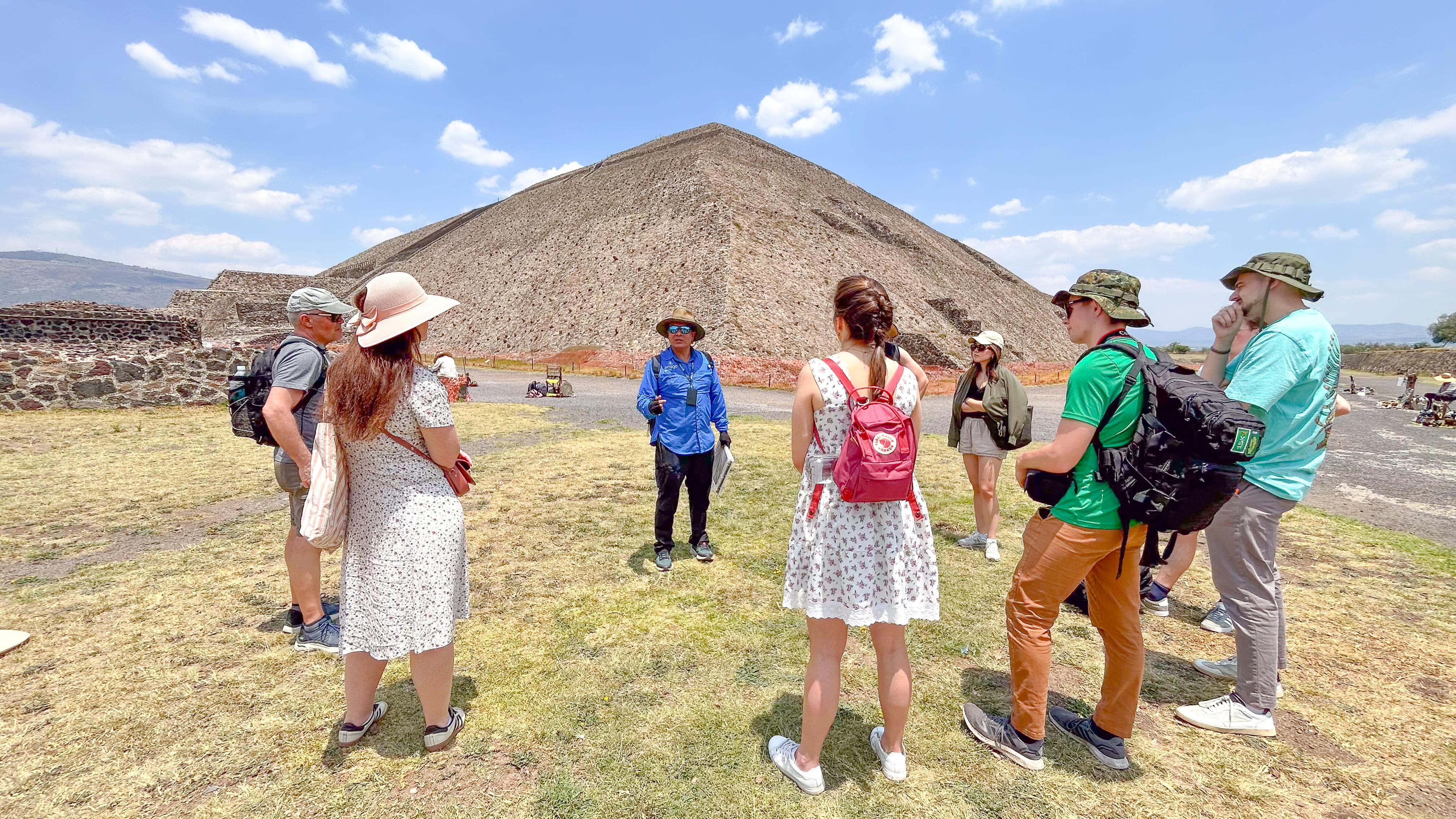
You arrive at the southern gate by 09:15, bypassing the ticket queues with pre-arranged entry. The Avenue of the Dead unfolds north, its width—40 metres—designed to accommodate ceremonial processions. You walk the original basalt paving, stopping at the Ciudadela's sunken plaza to examine the Temple of the Feathered Serpent's intact serpent heads and obsidian eyes. Your guide translates the iconography: alternating Tlaloc and feathered-serpent motifs, each carved block weighing 300 kilograms.
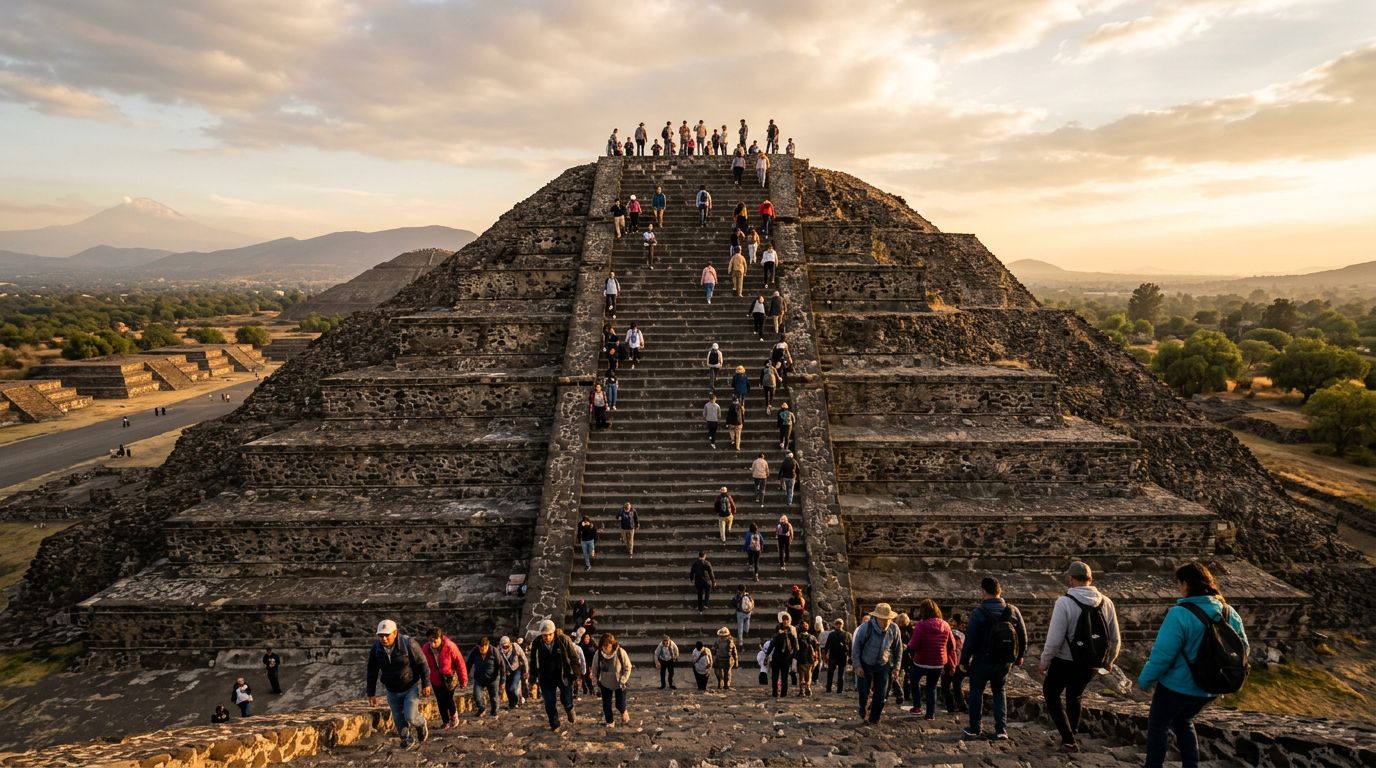
The Pyramid of the Sun's western staircase begins its 248-step ascent. You climb in stages, pausing at the third platform to photograph the Avenue stretching south and the Moon Pyramid rising north. The summit platform measures 45 by 45 metres; morning wind gusts at 15 kilometres per hour. You descend the eastern side, less crowded, and cross to the Pyramid of the Moon. Its 242 steps lead to a narrower summit with sightlines back to the Sun Pyramid's bulk. You finish at the Palace of Quetzalpapalotl, its reconstructed columns bearing carved butterfly-bird hybrids in low relief. By 12:30 you return to the vehicle, the site open until 17:00 but your three-hour private window complete.
All the details about your upcoming adventure in one place
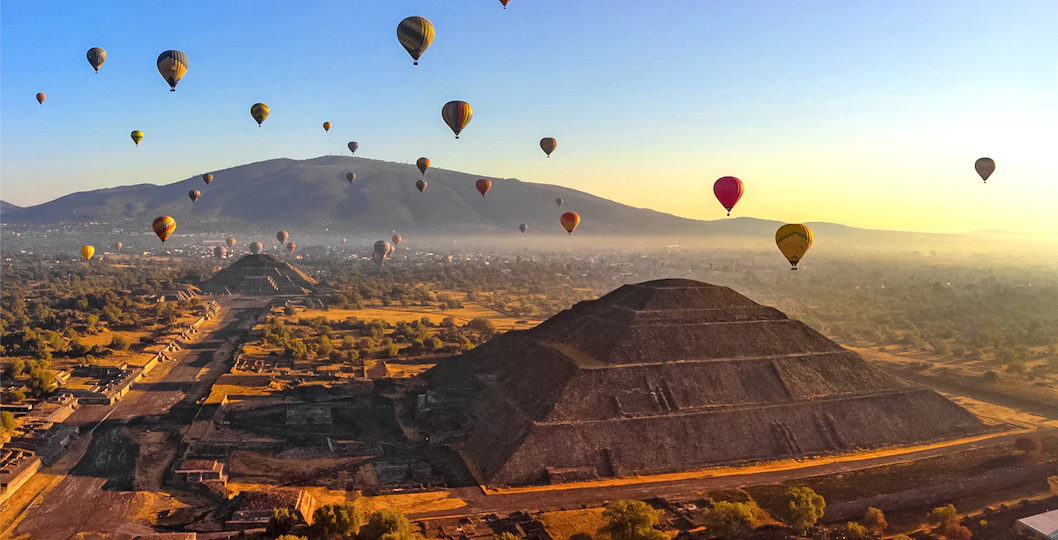
The Pyramid of the Sun rises 65 metres above the Valley of Mexico—taller than most pre-Columbian structures in Mesoamerica—yet its builders left no written record of their names.
Teotihuacan reached its zenith between 100 and 650 CE, housing perhaps 125,000 residents across 20 square kilometres of planned avenues, multi-family compounds, and ceremonial platforms. The Aztecs, arriving seven centuries after the city's collapse, named it "Place Where the Gods Were Created," mistaking its ruins for the birthplace of the cosmos. A teotihuacan private tour from Mexico City brings you 45 kilometres northeast into the State of Mexico, where restoration work begun in 1905 continues to reveal murals, talud-tablero facades, and stucco remnants beneath centuries of volcanic soil.
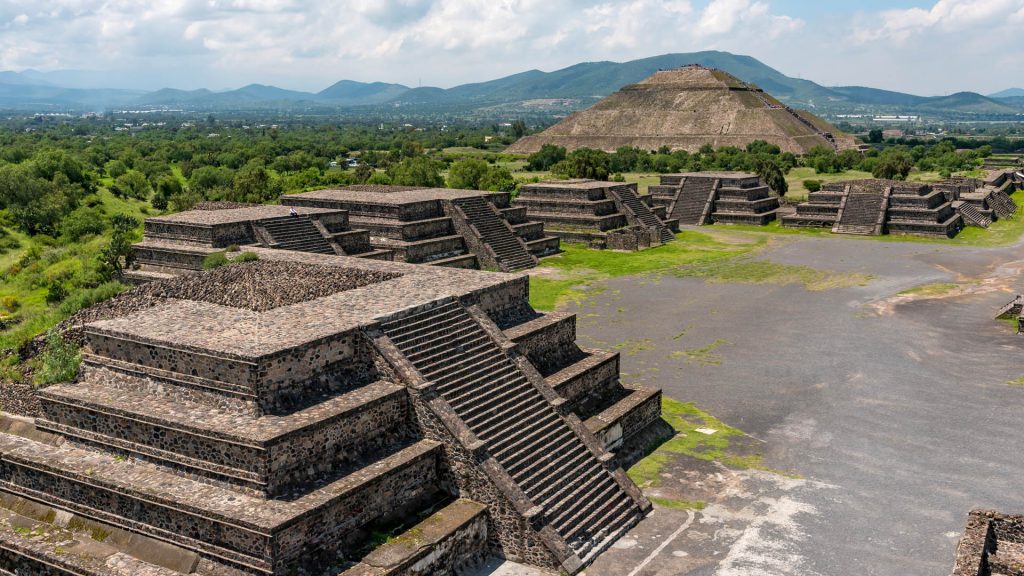
The Avenue of the Dead stretches 2.5 kilometres from the Moon Plaza to the Ciudadela complex, aligning 15.5 degrees east of true north. Archaeologists debate whether this offset tracked the setting of the Pleiades or the solar zenith passage. The Pyramid of the Moon anchors the northern end, its smaller mass elevated on the natural slope to match the Sun Pyramid's visual height. Climbing the 248 steps to the Sun Pyramid's summit requires 20 minutes at a steady pace; the western staircase, rebuilt in the 1900s, follows the original's 63-degree incline. From the top platform you see the Sierra de Patlachique to the east and the sprawl of modern San Juan Teotihuacán to the south. The Ciudadela, a sunken plaza enclosing the Temple of the Feathered Serpent, held administrative quarters and likely hosted state rituals. Serpent heads with goggled eyes project from the temple's western facade, carved in the second century and buried under an later platform around 250 CE.
Private archaeological tours allow flexible pacing through the site's 83 surveyed structures. Most group excursions allocate 90 minutes; a dedicated guide extends that to three or four hours, pausing at the Jaguar Palace's reconstructed murals or the residential compounds west of the Avenue. The 95 MXN INAH admission fee supports ongoing excavation of the Xalla palace complex, discovered in 2000 beneath a car park. Morning departures from Mexico City—typically 07:00 or 08:00—reach the site by 09:00, when temperatures hover near 18°C and the stone causeways remain shadeless. Afternoon heat climbs past 28°C in summer months. The site closes at 17:00 daily; last entry is 16:30. Teotihuacan private tour from Mexico City tickets include transport in climate-controlled vehicles, though the 95 MXN per-person conservation fee is paid separately at the gate.
The Aztecs, arriving seven centuries after the city's collapse, named it Place Where the Gods Were Created, mistaking its ruins for the birthplace of the cosmos.
Wear comfortable closed-toe shoes suited to uneven volcanic stone and loose gravel paths across the archaeological site. Light, breathable layers work best since the high-altitude plateau around Teotihuacan gets strong sun exposure by mid-morning with little shade near the pyramids. A hat and sunglasses are strongly recommended given the exposed, treeless walkways between the Avenue of the Dead and the main structures.
Backpacks and daypacks are permitted but may be subject to a visual check at the site entrance gates. Large suitcases, oversized bags, and professional tripod equipment are generally restricted without prior INAH authorization. Keep valuables in a secure, zipped bag since the site spans open terrain with limited staffed storage.
Personal photography and video with handheld cameras and phones is permitted throughout the site for non-commercial use. Drones require special INAH permits and are not allowed to be flown freely by visitors. Tripods and commercial filming equipment need advance written authorization from INAH.
Children generally handle the walking distances well since the site is open and visually engaging, but the climb up the Pyramid of the Sun's 248 steps should be supervised closely given the steep, narrow stone steps and lack of railings in some sections. Strollers work on the main Avenue of the Dead but struggle on staircases and looser gravel side paths. Bring water and snacks for kids since food options inside the archaeological zone are limited to a few vendor stands near the entrances.
The Avenue of the Dead is a long, mostly flat stone causeway that wheelchairs and strollers can traverse with some difficulty due to uneven ancient paving. Climbing the Pyramid of the Sun involves 248 steep steps with no elevator or ramp alternative, making the summit inaccessible to visitors with mobility limitations. Ground-level viewing of the Pyramid of the Moon, the Ciudadela, and the Temple of Quetzalcoatl remains possible without climbing.
Bottled water and small snacks may be carried inside the site, but glass containers and alcohol are not permitted. Picnicking is not allowed directly on or around the ancient structures, and food should be consumed only in designated rest areas near the entrance gates. There is no shaded dining infrastructure within the core archaeological zone, so plan food consumption around the perimeter facilities.
Busier, more tour buses
Popular with local families
Hours
09:00–17:00 daily, last access before closing
Opening hours
09:00 – 17:00
Getting there
City-center access via metro and bus
Accessibility
Most experiences are wheelchair-friendly — check individual tours
What to bring
Comfortable shoes, water, phone for mobile voucher
Car · 45–60 min · Included in private tour price
Private tours typically depart Mexico City via the Mexico–Teotihuacan highway (Route 132D), reaching the site in about 45–60 minutes depending on traffic.
Most Teotihuacan private tour from Mexico City bookings allow free cancellation up to 24 hours before the scheduled pickup, with a full refund issued to the original payment method. The 95 MXN INAH admission fee is paid on site per person and is not part of the tour refund calculation.
Recommended time
3-4 hours
Covering the full stretch from the Avenue of the Dead to the top of the Pyramid of the Sun and the Pyramid of the Moon takes most travelers three to four hours at an unhurried pace, including rest stops for the 248 steps involved in climbing. Arriving inside the best arrival window of 09:00-10:30 means you cover the main avenue and both pyramids before the tour buses from Mexico City fill the site, which matters more than any queue since Teotihuacan does not use timed-entry lines. Add an extra hour if you plan to linger at the Quetzalpapalotl Palace or the smaller temple clusters off the main avenue; subtract time only if you skip the pyramid climbs. A teotihuacan private tour from mexico city typically builds in this early start so the pacing matches how crowds actually move through the ruins.
Crowd levels through the day
Weather · crowds · average price — dots go green to amber to red as each metric rises.
September through November brings mild daytime temperatures around 20–24°C and thinner crowds than summer, making it a comfortable stretch for climbing the Pyramid of the Sun. Rain showers are still possible early in the season but taper off by late October.
The 95 MXN INAH admission fee is typically paid in cash at the gate, and change machines are not always available.
Zona Arqueologica de Teotihuacan, San Juan Teotihuacan, State of Mexico
Most private tours start here after hotel pickup; closest to the Avenue of the Dead
Get directionsThe city that modern visitors explore on a teotihuacan private tour from mexico city rose between 100 BCE and 250 CE, though its earliest settlements date to 400 BCE. By 100 CE, engineers had laid out the Avenue of the Dead along a precise north-south axis, anchoring what would become Mesoamerica's largest urban center. The Pyramid of the Sun, completed around 200 CE, required an estimated 1 million cubic meters of earth and stone. Workers excavated a natural cave beneath the structure, likely used for ritual purposes tied to underworld cosmology. At its zenith between 350 and 550 CE, the metropolis housed between 100,000 and 200,000 inhabitants across twenty square kilometers, making it the sixth-largest city in the world at that time. The city's wealth derived from obsidian quarries in the nearby Pachuca region and a monopoly on the trade of green obsidian used for blades and mirrors. Residential compounds featured sophisticated drainage systems and multi-family apartment blocks plastered with vivid murals depicting gods, jaguars, and processions. The Pyramid of the Moon, completed around 250 CE, anchored the northern terminus of the ceremonial avenue and required seven construction phases. Archaeological evidence reveals no fortifications, suggesting the city maintained power through religious authority rather than military force. The Feathered Serpent Pyramid, dedicated around 200 CE, contains the remains of over 200 sacrificial victims buried in its foundations. Between 550 and 650 CE, the city collapsed. Fire swept through elite residential areas, and monuments were deliberately desecrated. Theories range from internal revolt against the ruling class to environmental degradation caused by deforestation and soil exhaustion. The population dispersed, though a remnant community persisted until the Aztec era. When Aztec pilgrims discovered the ruins centuries later, they named it Teotihuacan, meaning "birthplace of the gods," and incorporated it into their creation mythology. Modern teotihuacan private tour from mexico city tours reveal ongoing excavations that continue to uncover residential quarters, workshops, and ceremonial platforms beneath centuries of accumulated soil.
Early villages coalesce into a planned settlement along the San Juan River.
Engineers construct the Avenue of the Dead and complete the Pyramid of the Sun using over one million cubic meters of material.
Priests dedicate the Feathered Serpent Pyramid with mass human sacrifice; 200 victims are interred in its foundations.
The metropolis reaches peak population of 100,000–200,000, controlling obsidian trade across Mesoamerica.
Fire consumes elite quarters; monuments are vandalized; the city is abandoned within a century.
Aztec pilgrims name the ruins Teotihuacan and adopt its mythology into their cosmology.
Mexican archaeologist Leopoldo Batres begins excavations of the Pyramid of the Sun.
UNESCO designates the site World Heritage; archaeologists map subterranean tunnels and residential compounds using LiDAR technology.
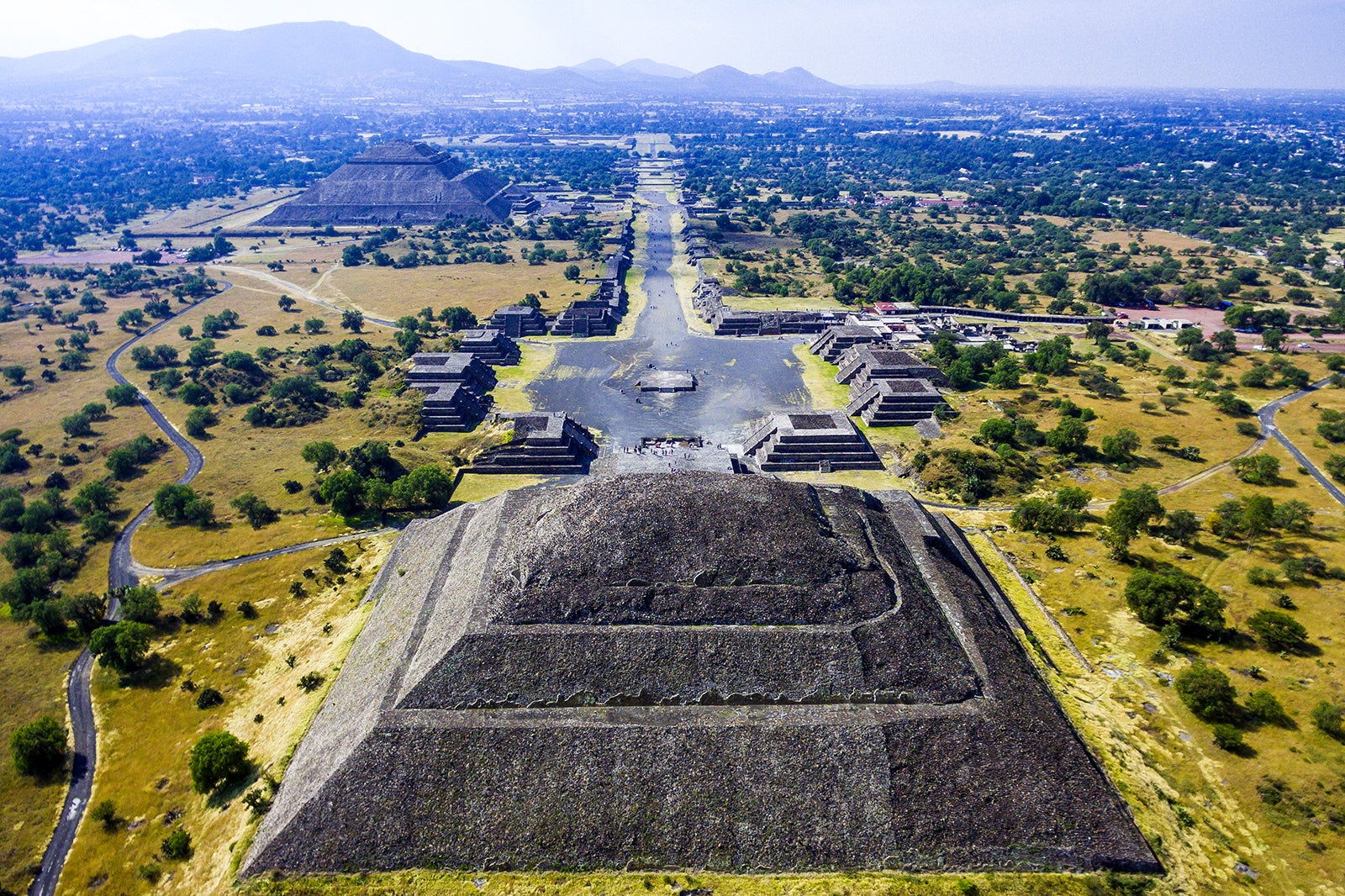
Stand near the Plaza of the Moon looking south down the long central axis, framing the Pyramid of the Sun on the left and rows of platform mounds leading toward the Ciudadela. The straight corridor compresses distance and gives a strong perspective line that anchors most wide shots of the site.
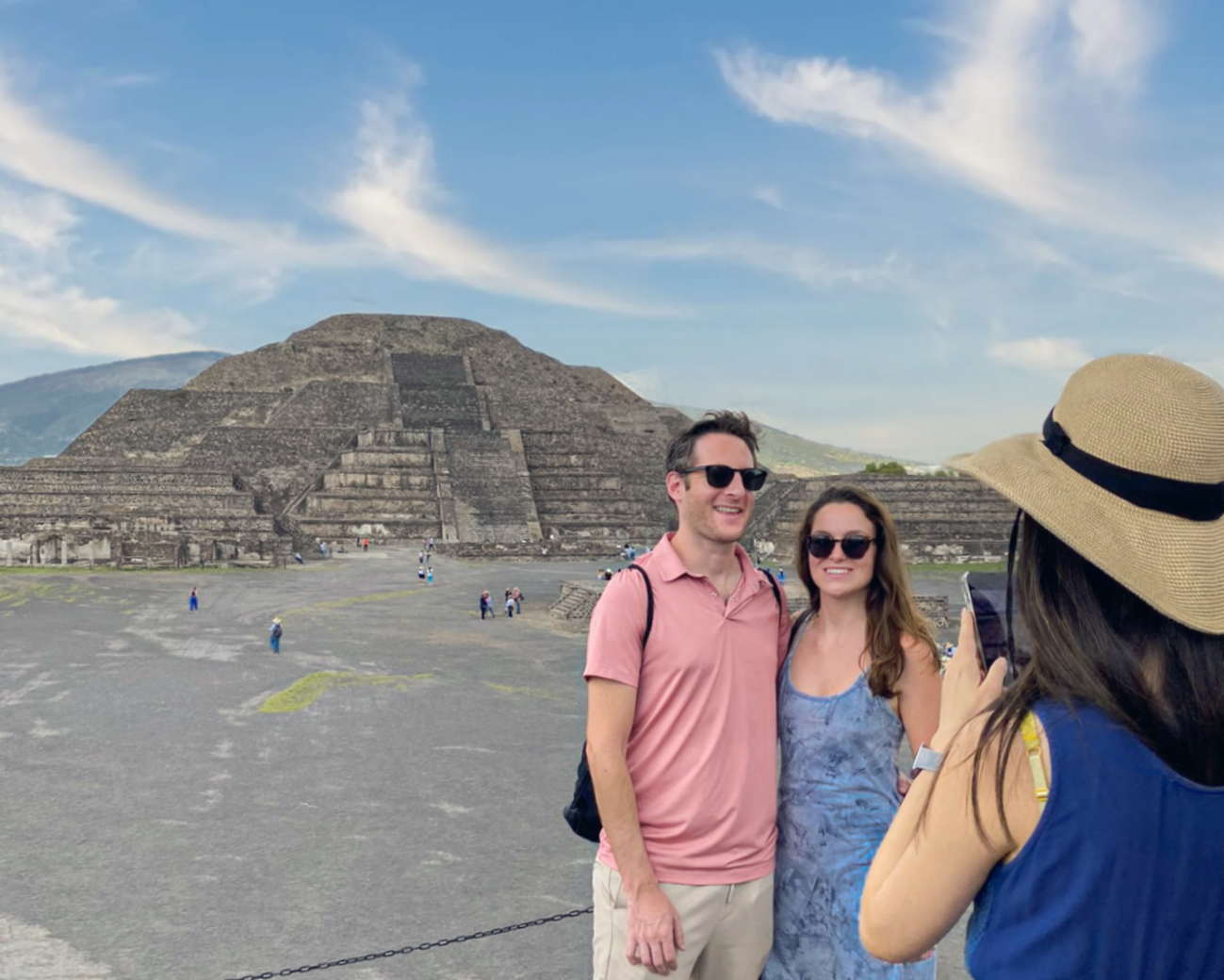
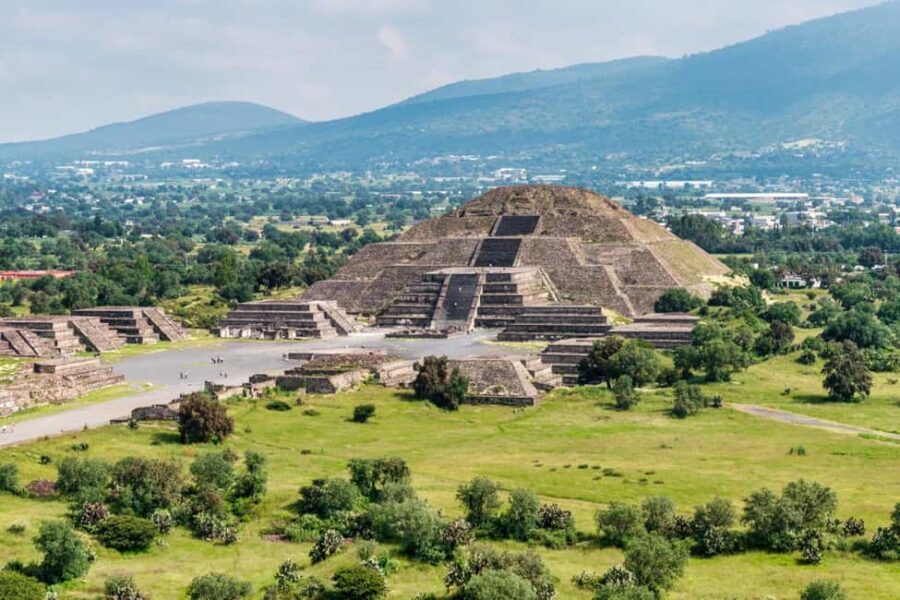
Climb the lower platform directly facing the Pyramid of the Moon and shoot upward toward its stepped facade with Cerro Gordo rising behind it. This spot also gives the classic reverse angle back over the Avenue of the Dead, a favorite stop on any teotihuacan private tour from mexico city.
After the 248-step climb, the summit deck opens a panoramic view over the whole valley, with the Pyramid of the Moon aligned to the north and the Ciudadela visible to the southeast. Space is tight near the edges, so wait for a gap before framing the drop-off shot.
From the sunken plaza floor, shoot upward at the carved serpent heads on the temple facade, or step back near the plaza's edge platforms for a fuller structure shot. The surrounding quadrangle walls frame the temple symmetrically.
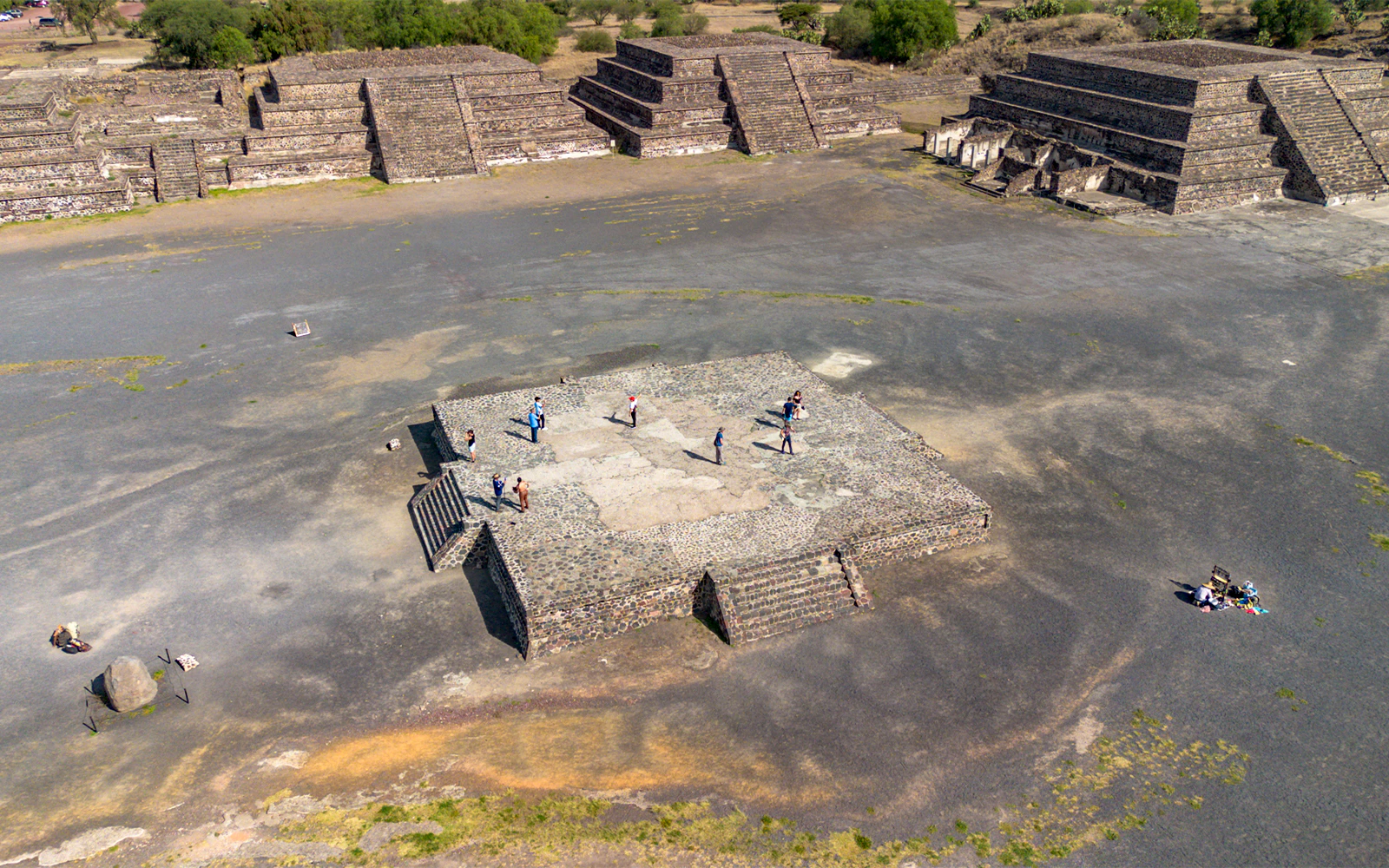
Position at the center of the plaza floor, between the small altar platform and the Pyramid of the Moon, for a balanced shot with pyramids on two sides. This spot is also used for group and portrait shots since the open ground gives even light.
A teotihuacan private tour from mexico city works well for families because a private guide can adjust the route around nap times, shorter legs and sun exposure in ways a fixed-departure coach tour cannot. Kids tend to enjoy scrambling up the pyramids, but the site is vast, uneven and largely unshaded, so this is a trip that rewards planning over spontaneity.
The archaeological site is mostly dirt and stone paths with uneven, rocky sections, so strollers are difficult to push once you're off the main causeway. A baby carrier is far more practical for children under 3, especially near the Pyramid of the Sun's 248 steps.
Kids around 6 and up generally cope best, since the walking distances between structures are long and there's little shade. Toddlers can manage the lower plazas and museum area but will likely tire before covering the full Avenue of the Dead.
Restrooms are available near the main entrances and the on-site museum, but baby-change tables are not consistently available, so pack your own changing mat. Bring your own water and snacks, as options inside the archaeological zone are limited.
A custom mexico city landmarks itinerary lets you build in rest breaks that a group schedule won't allow, which matters most with young children in the heat. Plan to skip climbing both major pyramids with toddlers in tow and let older kids choose one to summit.
There's minimal indoor shelter beyond the site museum, so a sudden downpour means retreating to the vehicle with your driver-guide. This is one advantage of booking private over a fixed-route group option, since the schedule can shift around weather.
Most people booking a teotihuacan private tour from mexico city eat at one of two sit-down spots near the ruins rather than hunting for street food, since the archaeological site itself has only limited snack kiosks. La Gruta and the on-site museum restaurant both anchor lunch stops on typical itineraries, with a scattering of casual eateries along the road outside the main gates.
Set inside a limestone cavern near Gate 5, known for mixiotes and grilled nopales; a common lunch stop after touring the pyramids. Reservations help since tour groups arrive in waves around 1-2pm.
Sits by the Museo de la Cultura Teotihuacana near the Pyramid of the Sun, useful for a quick coffee or tamales between walking the Avenue of the Dead and climbing. Gets busy right after the museum's shaded courtyard fills at midday.
Open-air terrace facing the site entrance, serving tacos and Mexican breakfast plates; convenient for a pre-tour meal before the 09:00-10:30 arrival window. Tables fill quickly once bus tours let out.
Family-run spot popular for mole and quesadillas, with parking for tour vans; suited to a relaxed lunch rather than a quick bite.
Roadside vendors selling elote, quesadillas, and fresh juice just outside the perimeter fence; good for a fast, cheap snack between pyramid climbs.
Everything you need to know for your journey
The archaeological site is open daily from 09:00 to 17:00, and most Teotihuacan private tour from Mexico City itineraries are timed to arrive within that window.
The Avenue of the Dead is navigable with some difficulty for wheelchairs, but the 248 steps to the top of the Pyramid of the Sun have no ramp or elevator alternative.
Prohibited items include drones without a permit, tripods without authorization, glass containers, alcohol, large suitcases, and climbing gear among others.
Yes, personal photography with phones and handheld cameras is allowed throughout the site, though drones and commercial filming require INAH permits.
Arriving between 09:00 and 10:30 offers cooler temperatures and smaller crowds before tour buses arrive later in the morning.
Comfortable closed-toe shoes and light layers work best, since the exposed plateau offers little shade and mornings can be cool.
Bottled water and small snacks are permitted, but glass containers and alcohol are not allowed inside the site.
Public buses depart from Mexico City's Terminal Central del Norte roughly every 15–30 minutes, taking about 1 to 1.5 hours to reach the site.
Yes, though the 248-step climb up the Pyramid of the Sun should be supervised closely with children given the steep, uneven stairs.
Most bookings allow free cancellation up to 24 hours before pickup, with a full refund to the original payment method.
Nearby sites within the zone include the Ciudadela Plaza, the Temple of Quetzalcoatl, and the Tepantitla Palace murals, all reachable on foot.
The INAH entrance fee is 95 MXN per person, paid separately from the private tour cost.
A small on-site museum near the Avenue of the Dead displaying artifacts excavated from the pyramids, including ceramics and stone carvings.
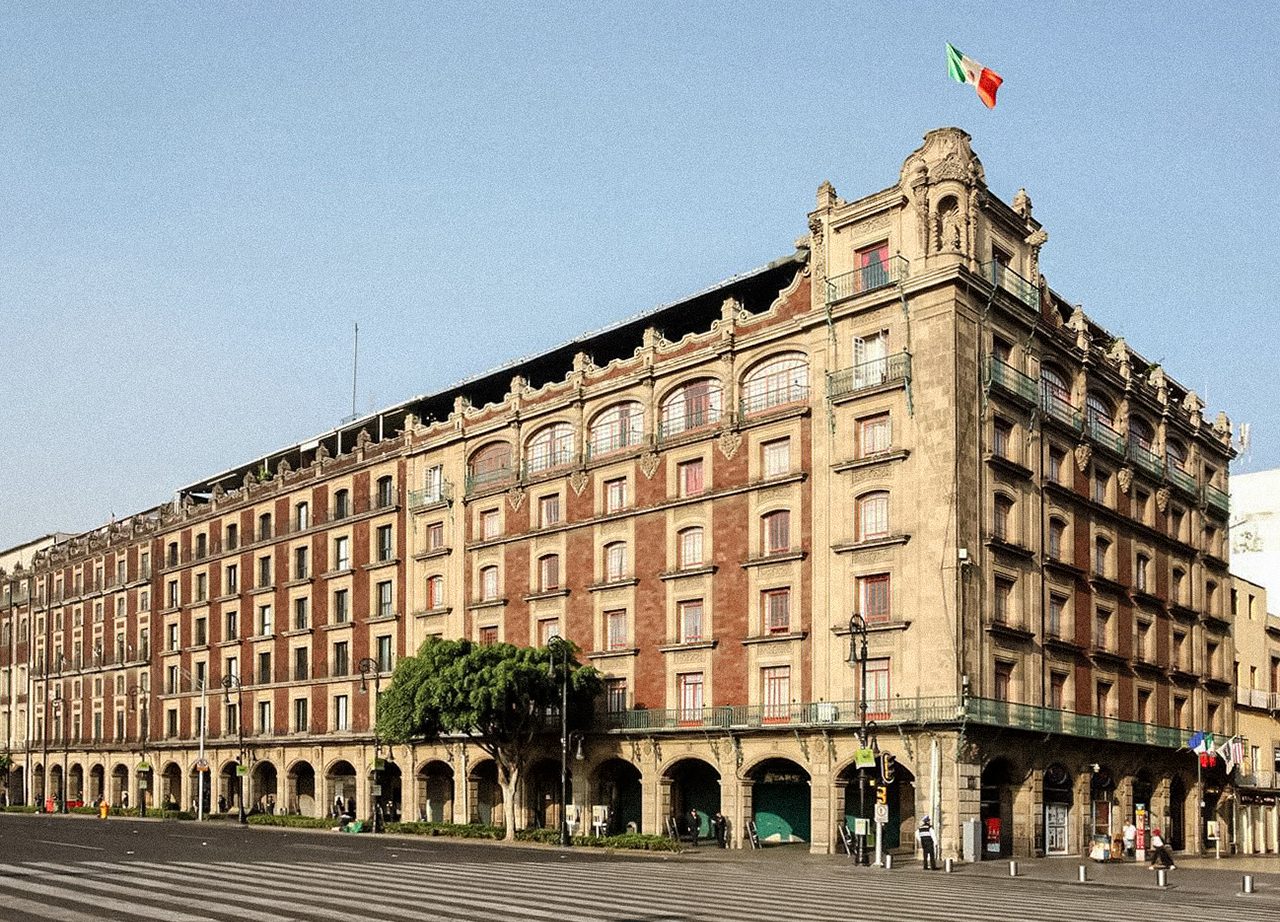
Most private tour pickups originate here, with the widest range of hotel tiers near Zocalo and Reforma.
Join thousands of happy travelers who have discovered this incredible experience
Book Your Experience Now